Metamorphoses 3.253-5(reaction in Thebes to preceding Actaeon story)
The talk goes two ways: the goddess seems too harsh
to some, but others like what she’s done, says it suits
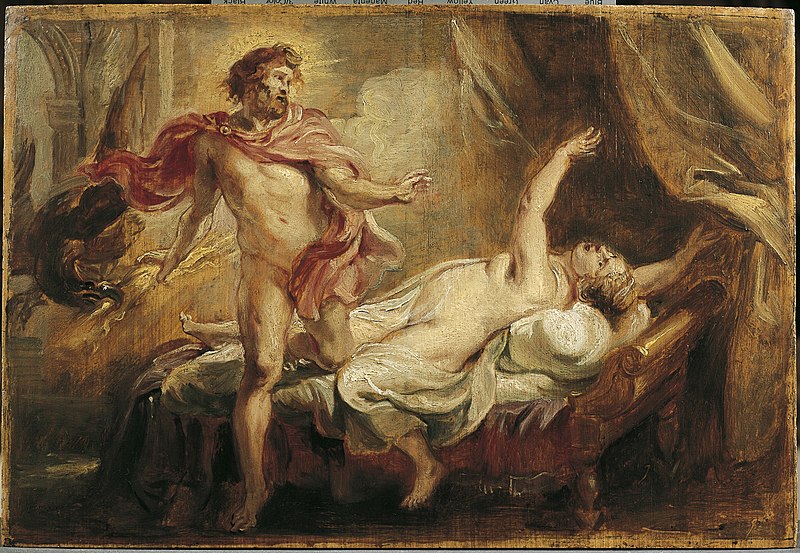
her stern virginity; each side argues its case. Rubens, Death of Semele (ca. 1630)
Juno's jealousy & Jupiter's foolish promise; power imbalance (cf. Jupiter as shape-shifter)
Metamorphoses 3.302-9(Jupiter grants Semele’s wish)
As much as he can, he tries to pen in his strength—
he won’t pick up the blazing bolt that atomized
hundred-armed Typhon: that one’s too ferocious.
There’s a more delicate bolt the Cyclops forged
in which he poured less ravaging fury, less fire:
gods call this second-tier arms. With it, Jove enters
the House of Agenor. Semele’s body is stormed—
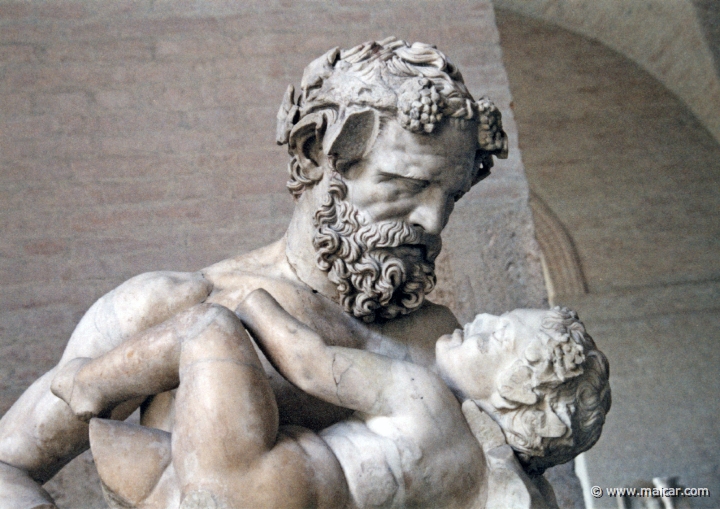
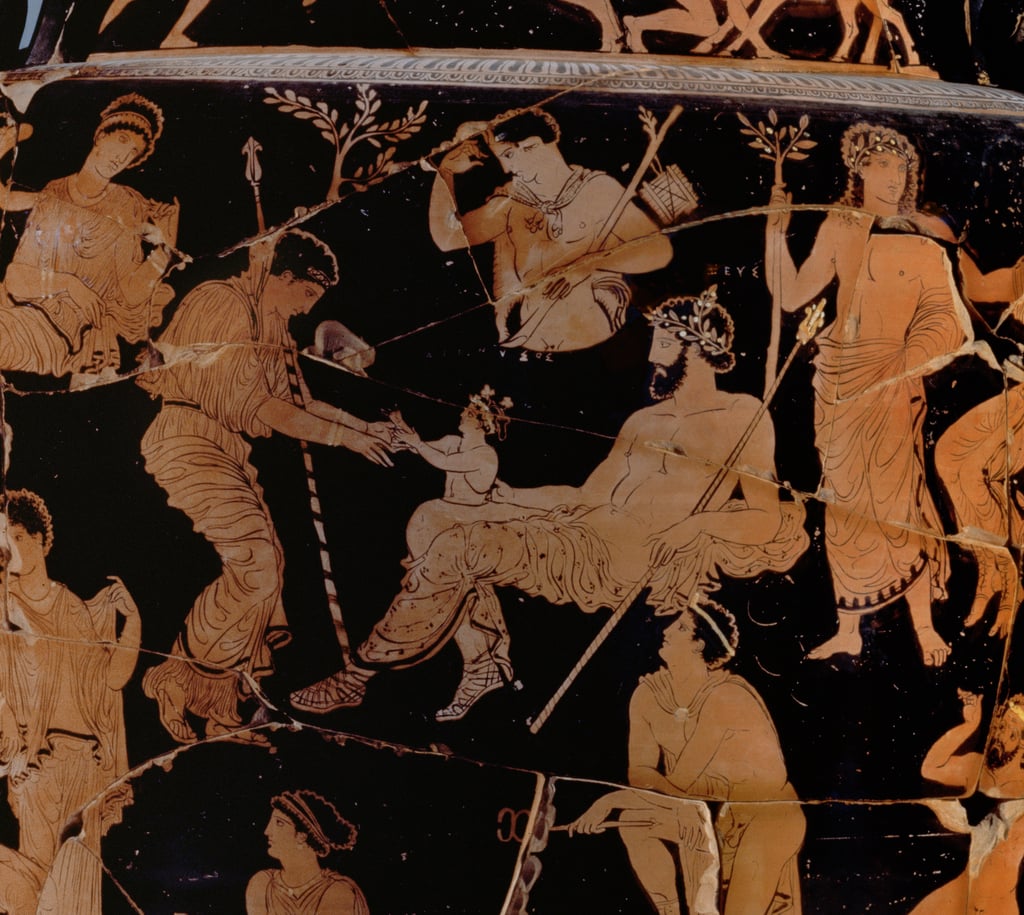
she can’t manage this gift and explodes into flame. Silenus and infant Dionysus (Roman copy of 4th-3rd century BCE marble)
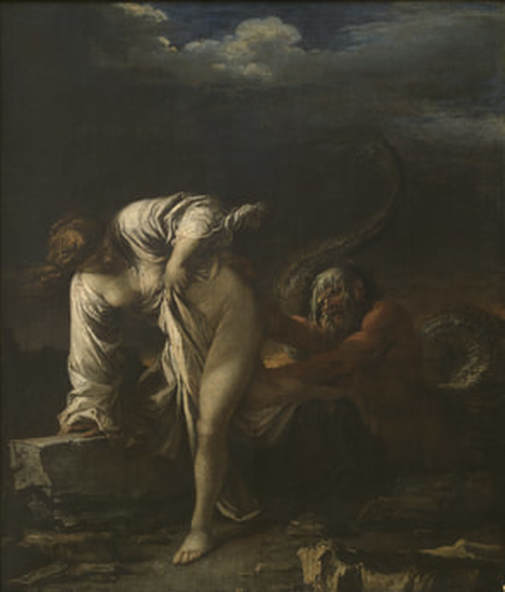
compensation (?): birth of Bacchus Rosa, Glaucus and Scylla (ca. 1650)
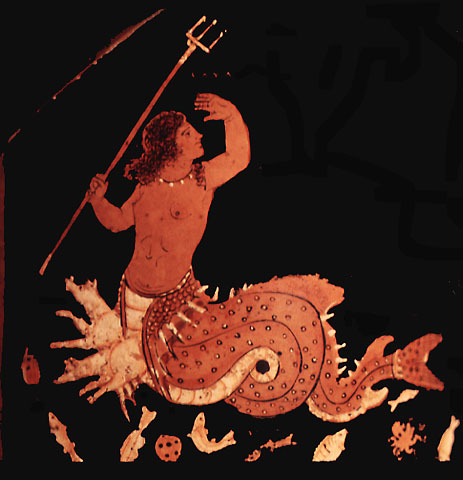
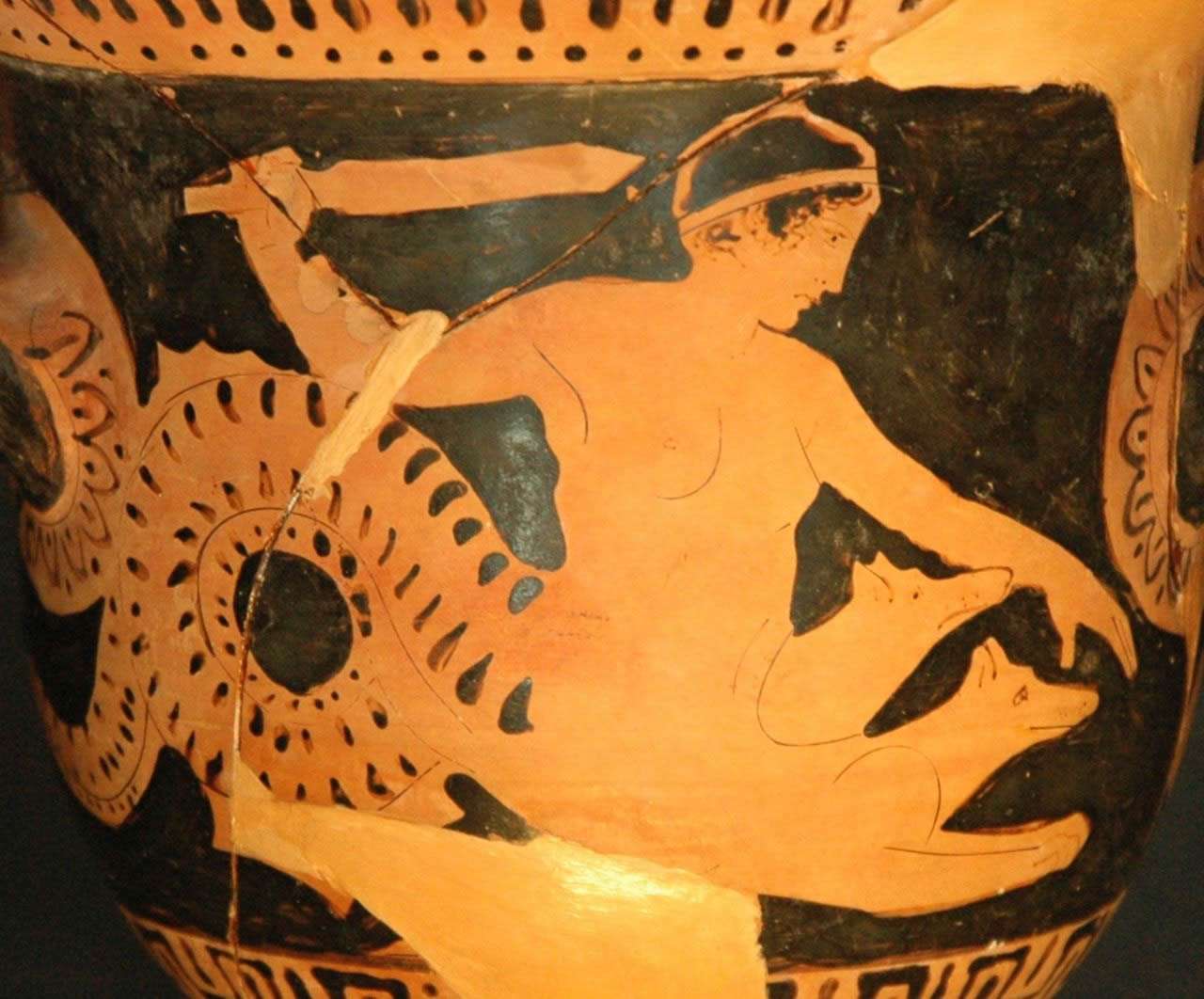
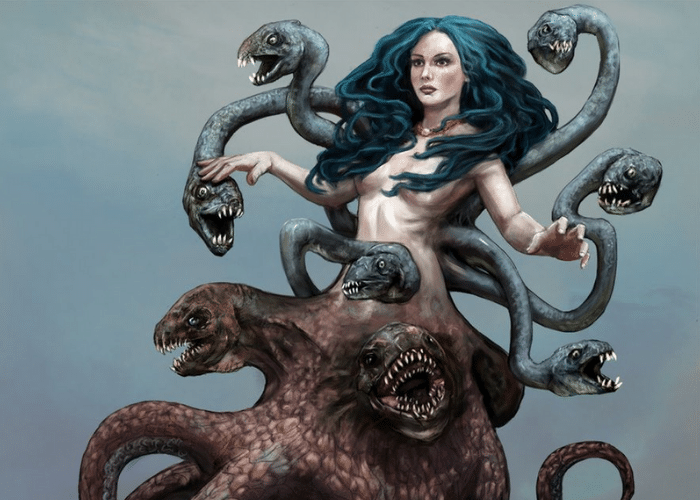
Glaucus and Scylla: nested sea-monster story (Sicilian sea-nymphs) within Ovid’sAeneid (Trojans reach Sicily, Scylla & Charybdis @ Strait of Messina; avoided at Aeneid 3.684ff., as Circe at Aeneid 7.10ff.)
L: Paestan red-figure krater, (4th century BCE); R: Boeotian red-figure bell krater (ca. 450-425 BCE)
Circe's jealousy over merman rejected by Scylla (girl on seaside); desire repulsed; Scylla's loss of form & self
Metamorphoses 14.59-69(Scylla’s horrific metamorphosis in her pool)
Now Scylla appears. She dips herself to the hips
and suddenly sees her loins deformed to barking
beasts. At first she can’t believe these creatures are her,
tries to get away—or get them away—afraid
of the snapping jaws. But what she flees follows,
and as she flails for her body—thighs, shins, or feet—
She touches the fangs and muzzles of hell-hounds.
She stands amid raving dogs that once were her hips,
struggling to tame the wild bodies beneath her.
Glaucus wept for the girl he’d loved, and he kept far
from Circe, too cruel with her powerful potions.
Tereus, Procne, Philomela: Ovid does tragedy (cf. lost Medea): cursed wedding of Tereus & Procne attended by Furies, screech-owl (6.428ff.); Procne's fateful request (6.440ff.)
catalyst: Thracian Tereus' (un)"natural lust" (6.458) > deception, undervalued kin relationships, further tragic turns
Metamorphoses 6.475-82(Philomela pleads with her father to visit her sister; Tereus' gaze)
What, when Philomela wants this as well, wrapping
arms around her father, coaxing—can’t she go see
her sister?—pleading for (but against!) her own good?
Tereus watches and prefondles in looking,
Seeing her kisses, her arms circling a neck—
it all kindles and stirs and flares him up hot.
Each time she embraces her father, he wishes he were her father (it would be no less obscene).
predatory & tyrannical Tereus seizes ownership of Philomela, "'I've won! What I want I now hold' / . . . like Jove’s hunting eagle that drops in the aerie / the hare it’s got trapped in hooked talons" (6.514ff.)
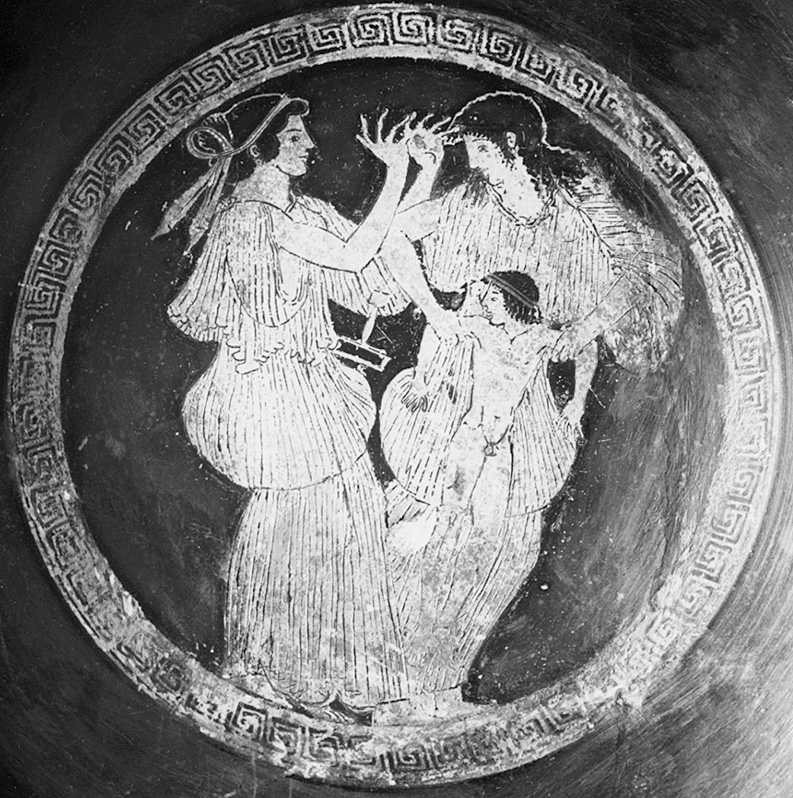
Philomela raises voice to Tereus after rape in forest ("I'll find people and tell", 6.546); reaction? Procne, Philomela & Itys, Attic cup (ca. 490 BCE)
Philomela regains her voice Metamorphoses 6.575-86 (Philomela’s narrative tapestry)
But pain is ingenious; sadness breeds brilliance.
On a foreign loom she deftly hangs a web
and on it weaves purple figures in white:
record of her outrage. She gives it to a maid
and bids with hands it reach her mistress. The bidden
woman takes it to Procne, not knowing what she bears.
The brutal tyrant’s wife unrolls the cloth
and there reads her ruined sister’s story—
but (amazingly) says nothing. Fury seals her lips,
and her tongue can't find words raging enough.
No space in her for crying: what's right and wrong
explode within, and all she sees is punishment.
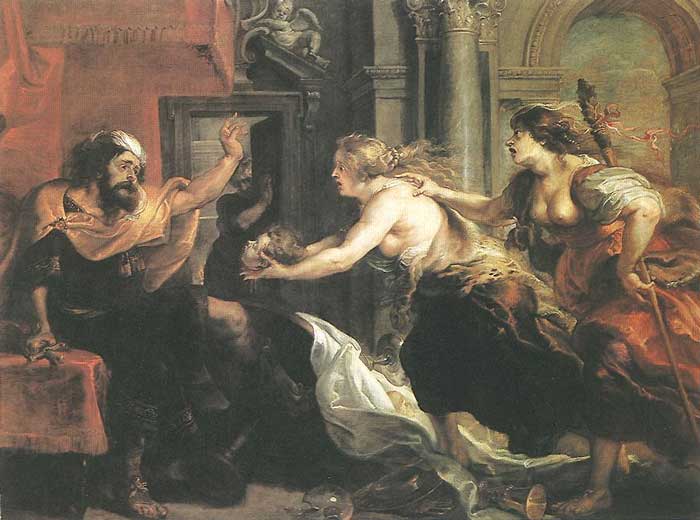
Rubens, Tereus Confronted with the Head of his Son Itys (1636–8)
Procne as silent agent of revenge: powerful emotions & bad choices; cannibalism, further tragedy & undervaluing of kin-relationship
Metamorphoses 6.652-73 (Tereus dinesalone, "a grave family practice")
“Fetch Itys,” he says.
Procne can no longer hide her bitter delight;
wanting to announce her ruin herself, she says,
“You have what you want right there.” He glances about,
looks for the boy; and as he looks and calls again,
Just as she is, hair spattered from savage slaughter,
in bursts Philomela. She throws the boy’s bloody head
at his father’s face, and she’s never wanted so
much to speak, to find the right words for her joy.
With a roar the Thracian shoves the table away
and shouts to the snaky sisters of underland Styx.
First he's crazed and would if he could slit open his gut,
dig out the hideous meal and half-eaten flesh;
then he weeps and says he's his boy's tragic tomb;
now with bare sword he hunts Pandion's daughters.
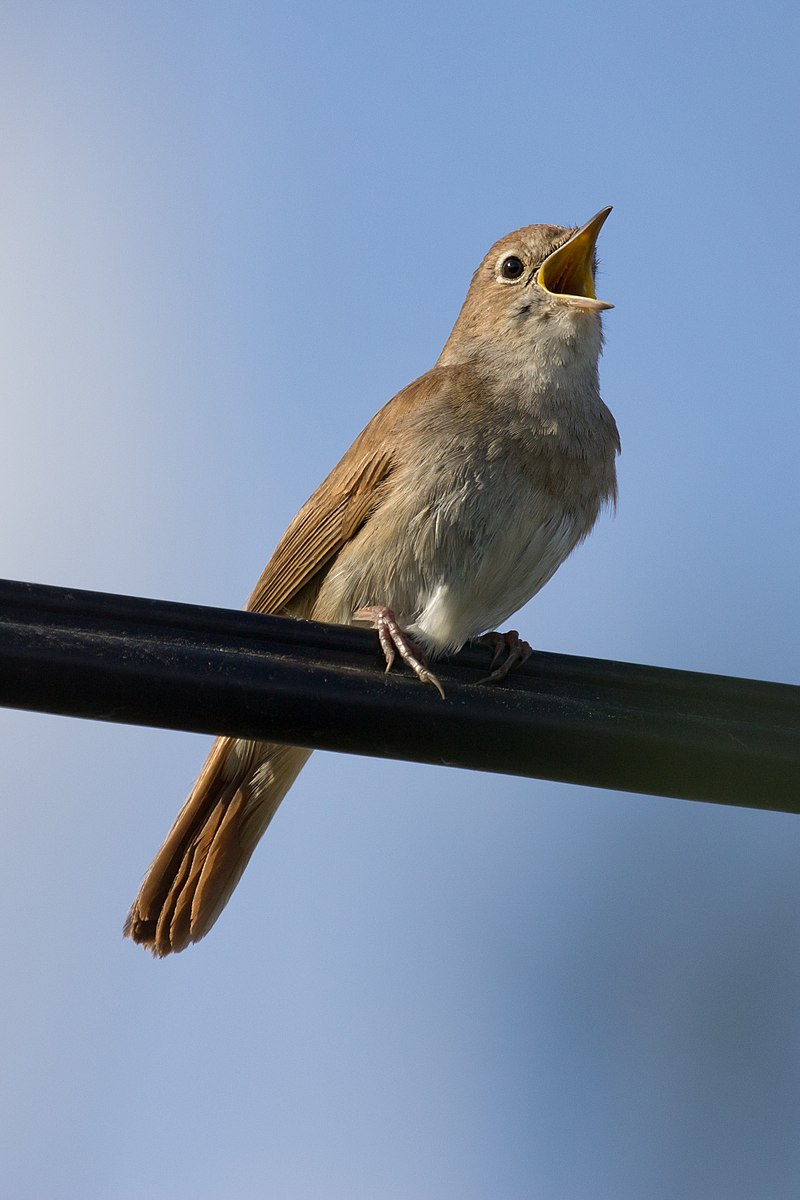
But the sisters suddenly seem fluttering, feathered:
they do flutter with feathers! One flies to the forest,
one up to the roof, and on their breasts they still bear
the markings of murder: plumage speckled with blood.
And he in his rage and rushing lust to avenge
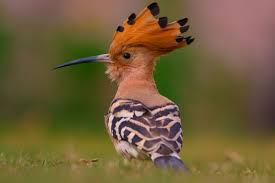
becomes a bird, too: on his head stands a crest
and his oversized beak juts out like a sword.
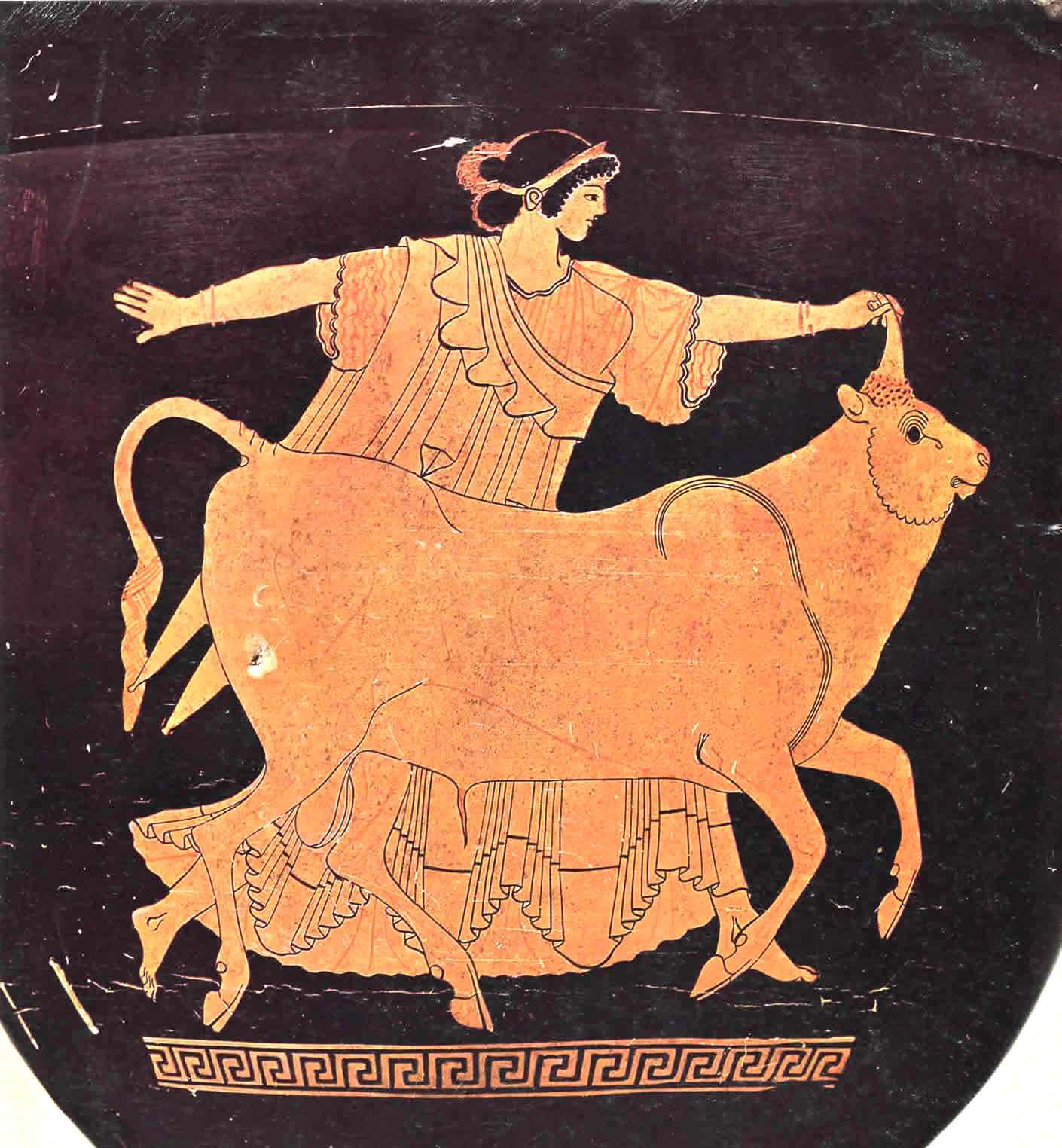
Scylla, daughter of Nisus: desire vs. kin-relationship Europa & Zeus, Attic red-figure krater (490 BCE)
Minos of Crete, son of Jupiter & Europa: purple lock?
Metamorphoses 8.36-42 (Scylla’s gaze & desire)
. . . Oh, how lucky the spear
he touched, how lucky the straps tight in his hand!
If she could, she was dying to wend a delicate
way through enemy lines, dying to cast herself
from this high, high tower into the Cretan camps,
throw open the bronze doors, ask the enemy in,
and do anything else Minos liked.
moment of rationalizing desire & betrayal (cf. Medea)
Metamorphoses 8.72-5 (Scylla deifies her desire)
I wish to god I had no father! We’re each our own
god, really. Fortune’s disgusted by lazy desire.
Any other girl burning like this would have long
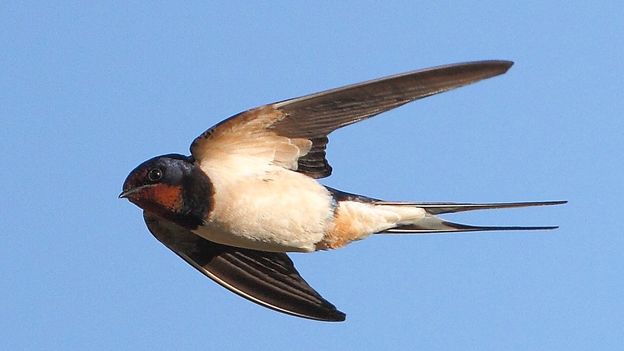
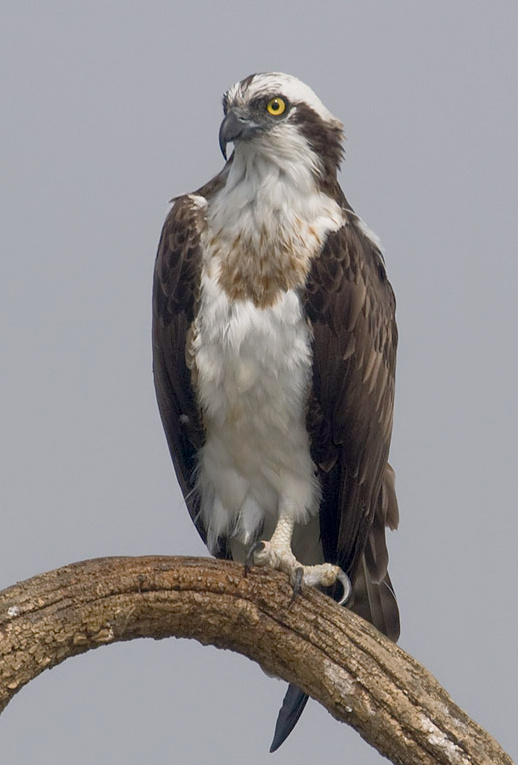
since demolished whatever hindered her love. Osprey ("sea hawk")
nighttime theft of lock; Minos' reaction, pursuit of ship & metamorphosis of Nisus & Scylla into sea-birds (Ciris?)
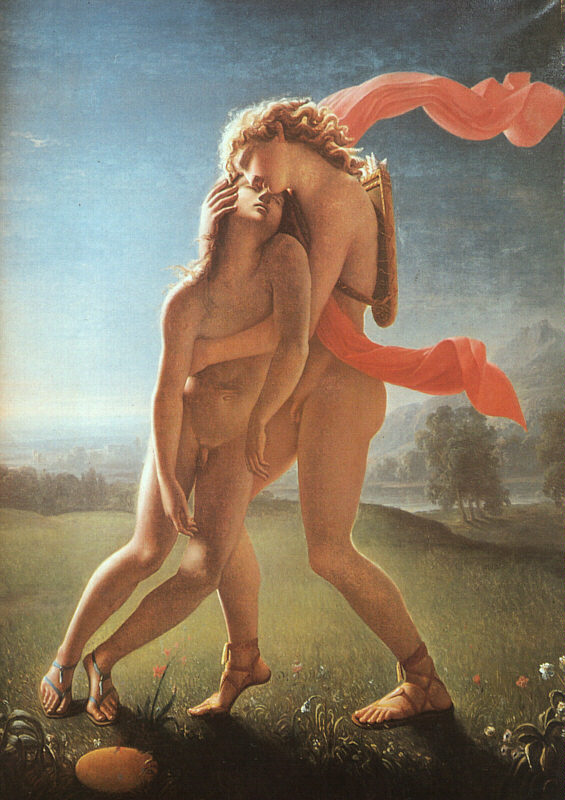
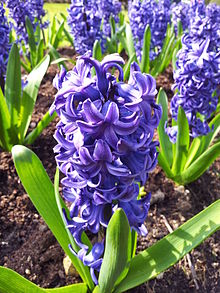
Hyacinth & Apollo (Orpheus' tale):young Spartan athlete cut down in prime; a god's unpossessable desire (cf. Adonis)
Metamorphoses 10.189-95(Hyacinth dies before Apollo)
But his skills did no good: the wound couldn’t be healed.
As, in a fresh garden, you snap stems of violets
or poppies or lilies with long golden tongues
and they wilt and soon droop their heavy, creped heads
and can no longer stand but gaze at the ground:
so, as he died, his face was cast down and his neck,
with no strength for itself, slumped down to his chest. | Jean Broc, Death of Hyacinthos (1801)
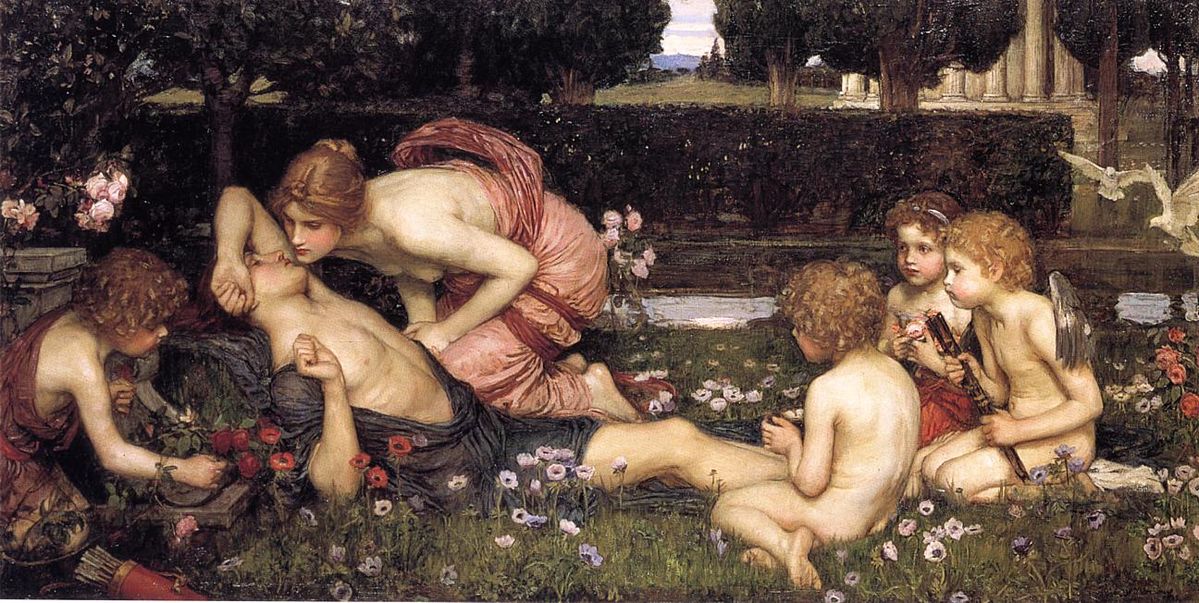
Hyacinth's short-lived flowering monumentalized in midsummer Spartan ritual (10.214-19) John William Waterhouse, The Awakening of Adonis (1899-1900)
Adonis (Orpheus' final story, Mets. 10): son of incestuous Cinyras & Myrrha (born from her tree); Venus infatuated ("Like Diana", 10.536); embedded cautionary tale of Atalanta & Hippomenes (mutual desire, race/courtship & brief marriage)
Metamorphoses 10.594-6 (Atalanta running)
A flush runs over the girl's pearly skin,
as when a red awning over a marble hall
suffuses it with the illusion of hue.
Metamorphoses 10.679-80 (3rd golden apple & end of race; Ovid's Orpheus' Venus' meta-narrative)
So my story won't be more slow than the race,
the girl was outrun; the winner led off his prize.
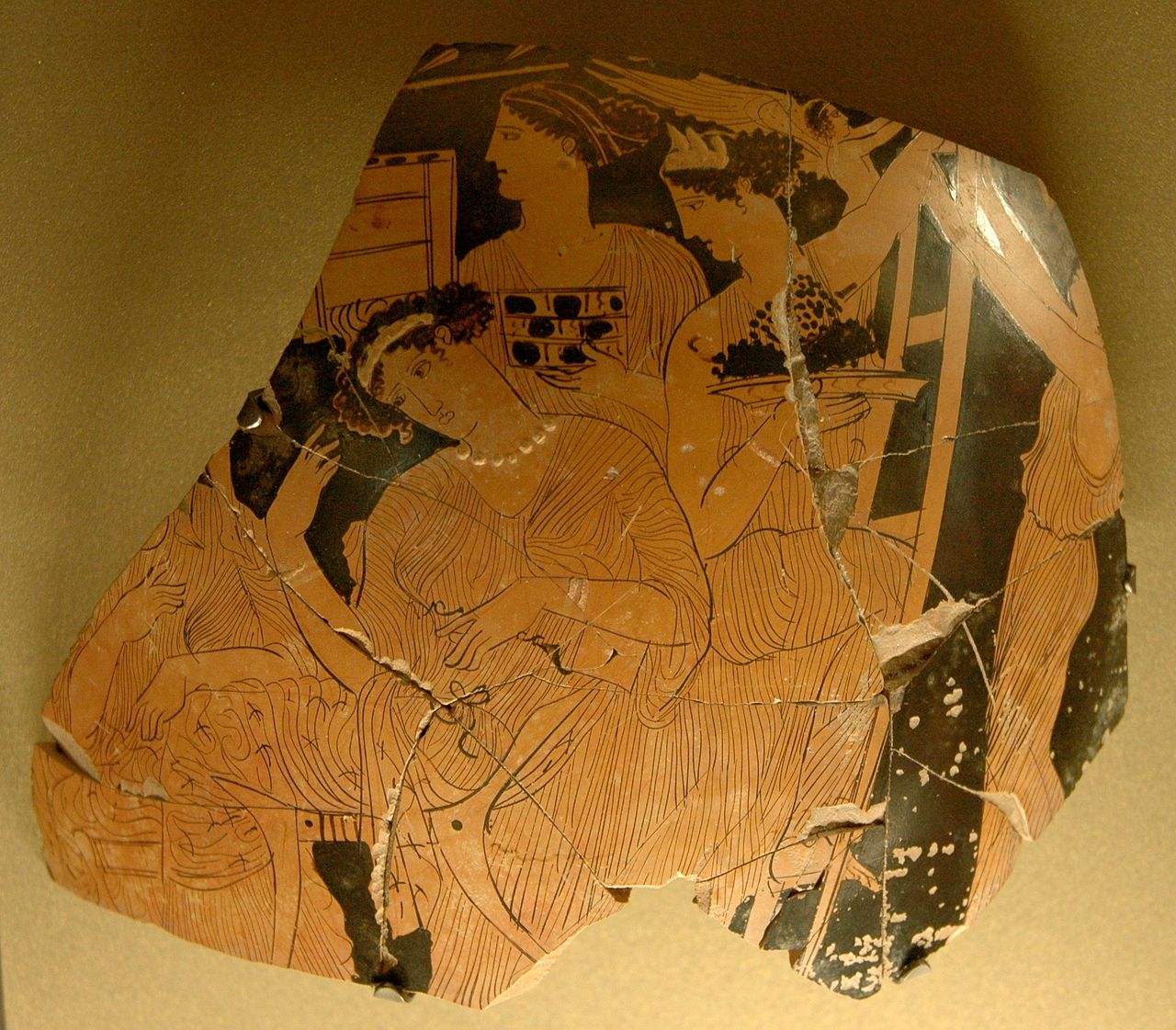
brevity of desire/pleasure/beauty; cf. Adonia (aetiology of women's festival, short-lived plants) L: Women at the Adonia, Attic red-figure vase (ca. 425 BCE); R: anemone ("wind") flowers Metamorphoses 10.731-9 (Adonis’ metamorphosis into short-lived flower)
And saying this, she sprinkled
scented nectar on his blood. With every drop
the blood began to swell, as when bubbles rise
in volcanic mud. No more than an hour had passed
when a flower the color of blood sprang up,
the hue of a pomegranate hiding ruby seeds
in its leathery rind. But the pleasure is brief:
the anemone barely clings and falls at a breath,
shaken free by the wind that lives on its name.