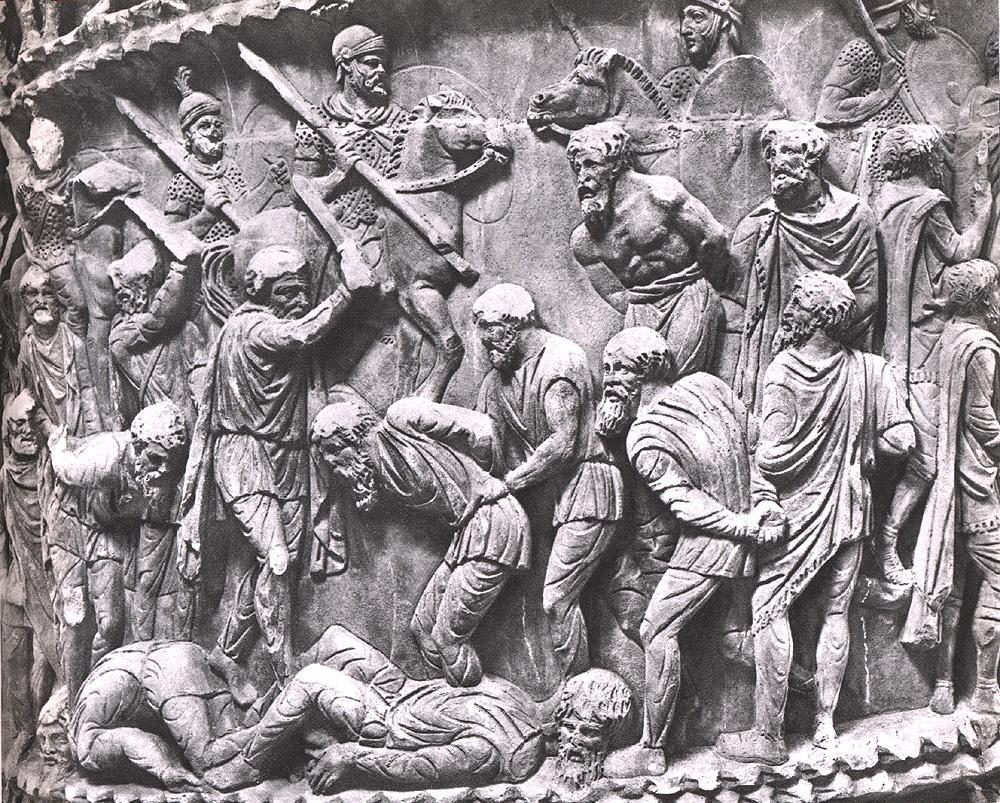
Beheading of POWs on Column of the Emperor Marcus Aurelius, ca. 180 CE
Beheading of POWs on Column of the Emperor Marcus Aurelius, ca. 180 CE
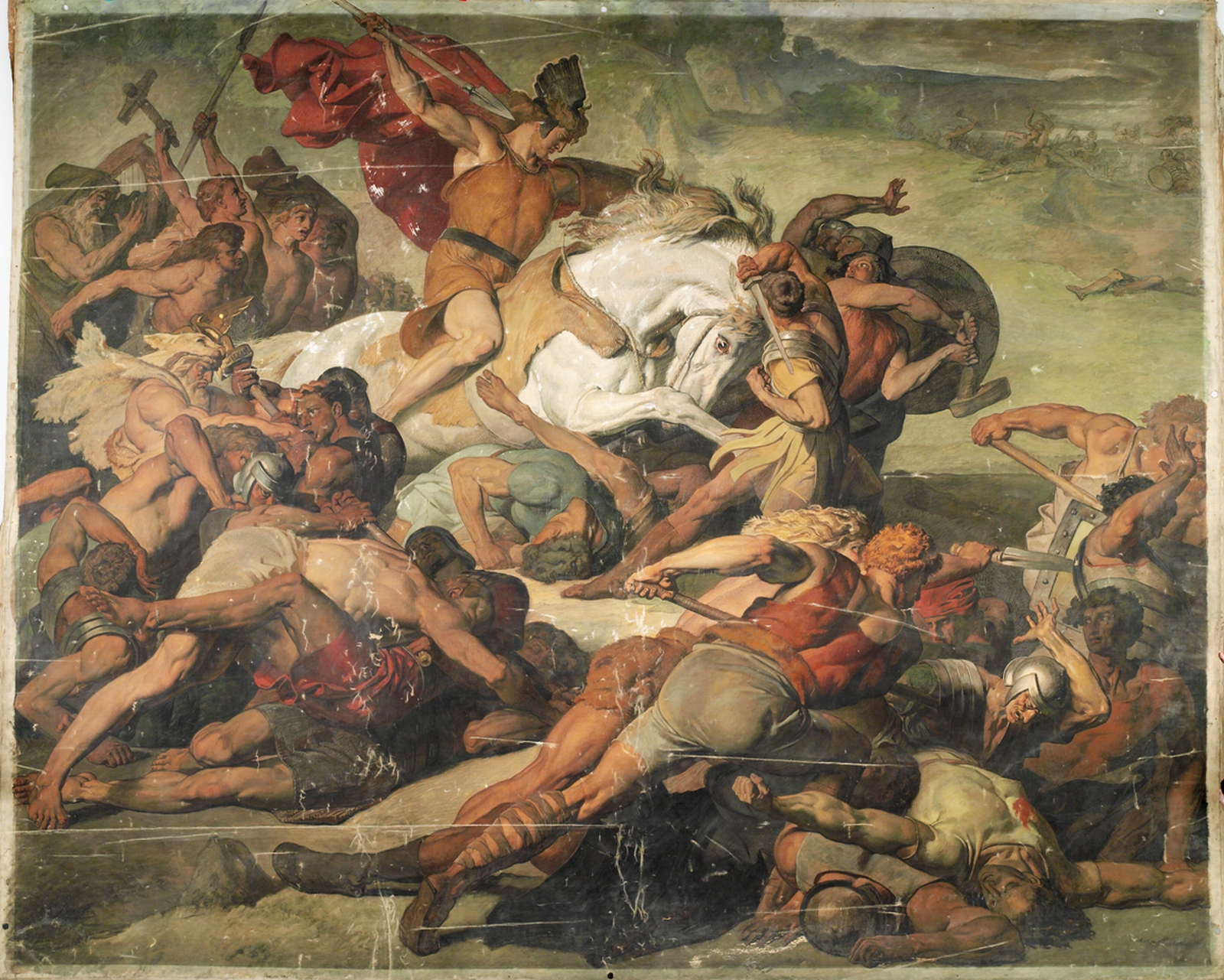
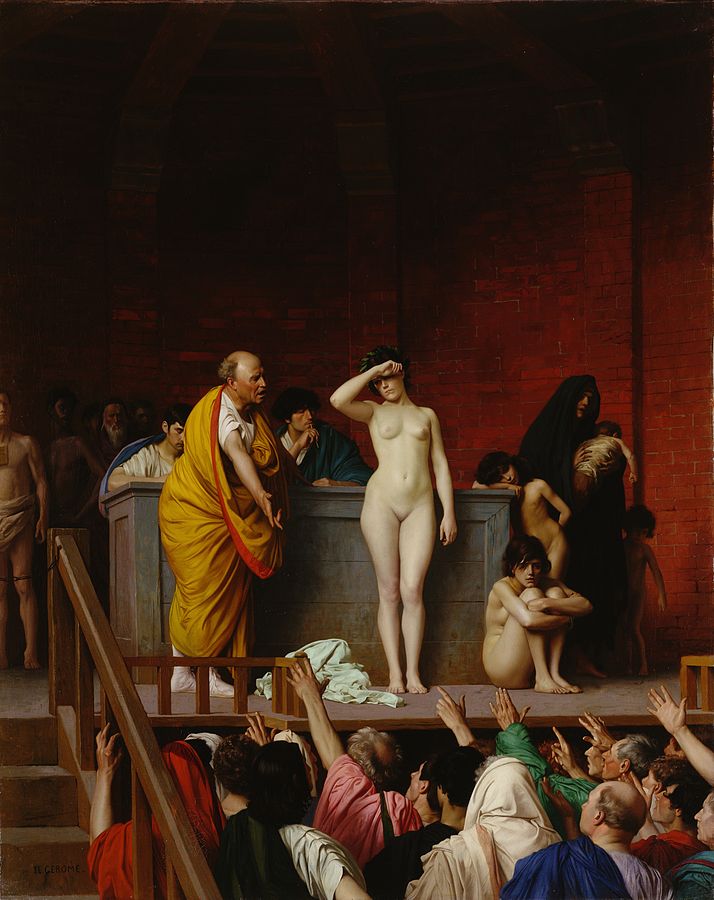
Sale of slaves: chattel slaves as fungible human commodities for sale/trade
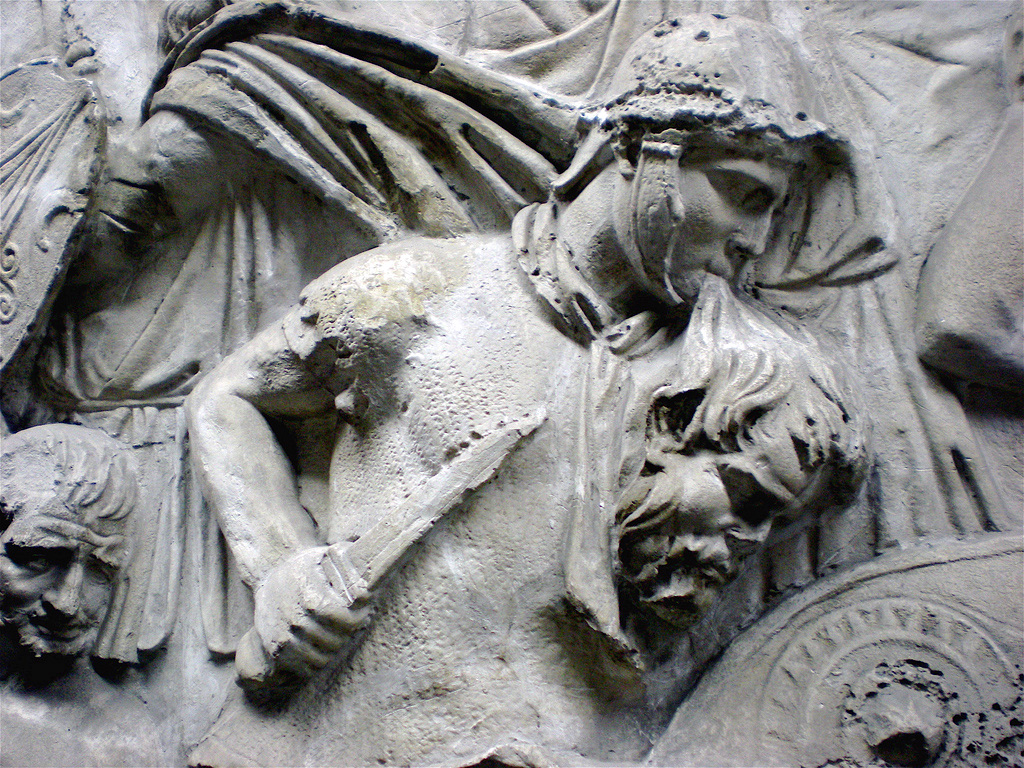
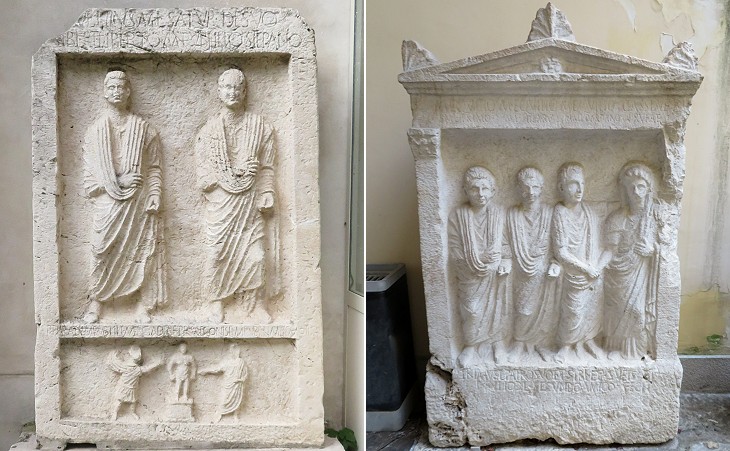
Marcius Porcius Cato/"Cato the Elder" (234-149 BCE): Consul, Censor; arch-traditionalist
On Agriculture (ca. 160 BCE): farming instruction manual during transition from family farms to Italian estates (latifundia) utilizing slave labor in wake of Roman imperialsim
On Agriculture, Introduction (trade & the landed aristocracy)
It is true that to obtain money by trade is sometimes more profitable, were it not so hazardous; and likewise money-lending, if it were as honorable. Our ancestors held this view and embodied it in their laws, which required that the thief be mulcted double and the usurer fourfold; how much less desirable a citizen they considered the usurer than the thief, one may judge from this. And when they would praise a worthy man their praise took this form: "good husbandman, good farmer"; one so praised was thought to have received the greatest commendation. The trader I consider to be an energetic man, and one bent on making money; but, as I said above, it is a dangerous career and one subject to disaster. On the other hand, it is from the farming class that the bravest men and the sturdiest soldiers come, their calling is most highly respected, their livelihood is most assured and is looked on with the least hostility, and those who are engaged in that pursuit are least inclined to be disaffected. And now, to come back to my subject, the above will serve as an introduction to what I have undertaken.

Roman Patrician Portrait, 1st century BCE
Cato’s values? ("no gadding about!")
villa a reflection of elite owner (morality, status, power, character, identity):
On Agriculture 1
See that it be equipped as economically as possible, and the land be not extravagant. Remember that a
farm is like a man—however great the income, if there is extravagance but little is left.
On Agriculture 3
It is well for the master to have a well-built barn and storage room and plenty of vats for oil and wine, so that he may hold his products for good prices; it will redound to his wealth, his self-respect, and his reputation.

Winemaking mosaic from the Church of Santa Constanza, 4th century CE
human capital: slaves' care to ensure productivity & longevity ("[The overseer] must see that the servants are well provided for, and that they do not suffer from cold or hunger", On Agriculture 5); inventory of equipment for small vineyard (16 persons, 3 pruning hooks, 5 axes, 6 spades, 1 wash tub, 1 bath tub, 4 beds & mattresses, 1 chamber-pot, etc., On Agriculture 11)
On Agriculture 2 (chastising the overseer = vilicus for inefficiencies)
If it has been a rainy season, remind him of the work that could have been done on rainy days: scrubbing, hauling out manure, making a manure pit, cleaning seed, mending old harness and making new; and that the hands ought to have mended their smocks and hoods. Remind him, also, that on feast days old ditches might have been cleared, road work done, brambles cut, the garden spaded, a meadow cleared, firewood bundled, thorns rooted out, spelt ground, and general cleaning done. When the slaves were sick, such large rations should not have been issued.
On Agriculture 5 (controlling & managing slaves to maximize efficiency & production)
Let him keep them busy with the work—he will more easily keep them from wrongdoing and meddling. If the overseer sets his face against wrongdoing, they will not do it; if he allows it, the master must not let him go unpunished . . . [The overseer] must see to it that he knows how to perform all the operations of the farm, and actually does perform them often, but not to the point of becoming exhausted; by doing so he will learn what is in his servants' minds, and they will perform their work more contentedly.
On Agriculture 54-9 (allotment of provisions)
There is nothing more profitable than to take good care of cattle . . . Rations for the hands [grain/bread, wine, olive paste, salt, vinegar] . . . Clothing allowance for the hands: A tunic 3½ feet long and a blanket every other year. When you issue the tunic or the blanket, first take up the old one and have patchwork made of it. A stout pair of wooden shoes should be issued every other year.