CLAS 355
Apuleius, The Golden Ass
April 13, 2023
Response #2: optional draft due tomorrow @ 11:59pm in D2L; response due April 21
Apuleius, The Golden Ass
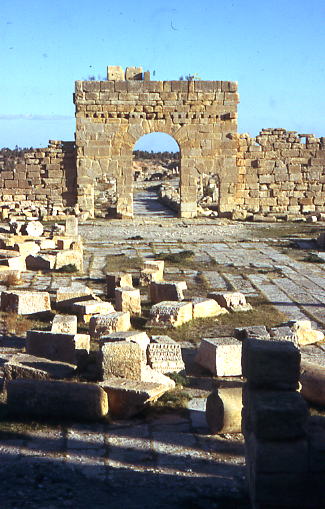
Ancient ruins at Madaura, Algeria
Apuleius: born ca. 125 CE at Madaura, North Africa (= Mdaurusch, Algeria); Roman province; cultural melting pot & multilingual environment (Punic, Latin, Greek)
- Apuleius's father a magistrate; studies at Carthage, Athens, Rome (philosophy, rhetoric, science & natural history, mythology), belongs to classicizing Second Sophistic movement

Curse tablet from Morgantina, Sicily, ca. 100 BCE
- charge of magic by wealthy wife’s family, 158 CE; Apology ("Defense"), display of learning & philosophy, shows detailed knowledge of magic (black & theurgic); suspension of disbelief (magic/magical thinking today?)
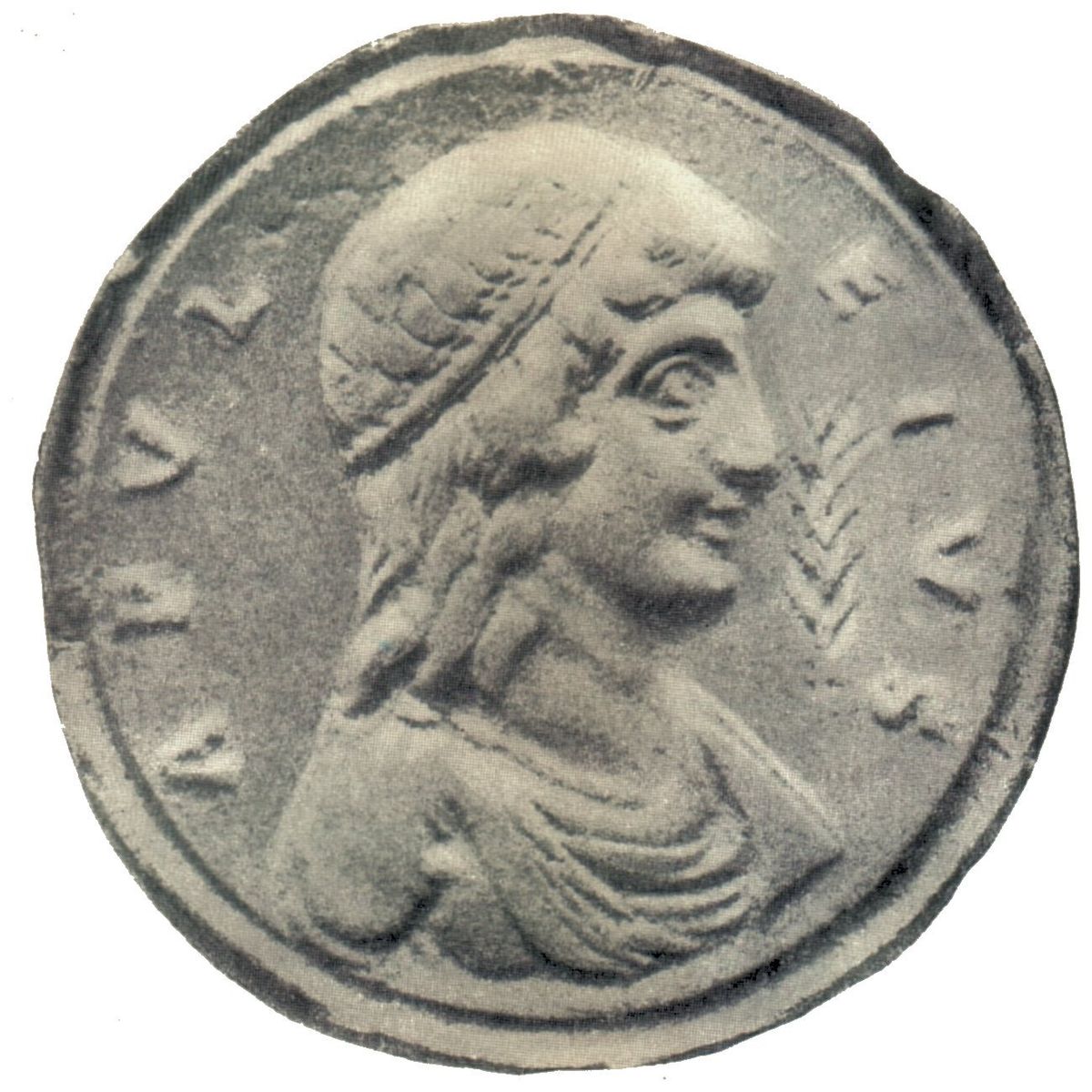
Apuleius Medallion, 4th century CE
- traces & teases of autobiography in The Golden Ass: Diophanes the soothsayer to Lucius, “my fame would blossom nicely, and my life would turn into an incredible, mythical, multivolume work”, 2.12
- The Golden Ass or Metamorphoses ("Transformations", after Ovid; ca. 160s CE) only complete Roman novel (Greek novel: separation of lovers & Odyssean journey "home"; cf. allusions to Homer's Odyssey 1.12, 2.14)
- The Golden Ass an HTVT text ("Of Beasts & Men") > spiritual journey & religious conversion ("I was going to Thessaly on business", 1.2)
some main themes:
beasts & humans
slavery & freedom
appearances & realities
shifts of fortune
stable personal identity in unstable world
- The Golden Ass: draws from Milesian tales (Greek "pulp fiction"): short & episodic, sensationalist, exotic, erotic prose tales set in Miletus, Asia Minor, for entertainment without moral, philosophical, spiritual elements; genre transformed by Apuleius > Milesian, Egyptian elements told by Greek narrator in imperfect Latin, "I'll make you wonder at human forms and fortunes transfigured, torn apart but then mended back into their original state . . . The story we are starting has a Greek original, you see. Give heed, reader: there is delight to be had." (1.1)
- narrator’s/Lucius’s essential characteristic: curiositas (magic & mystical secrets, illusion & reality), "It's not that I'm excessively inquisitive—I just want to know everything, or at least as much as I can" (1.2)
- Lucius's status? education? (cf. aedile Pythias in market at Hypata, fellow student in Athens, "You put these mighty prices on your pitiful piscine wares", 1.25); appearance ("Aunt" Byrrhena, "His whole face is just a flower. He walks nicely but doesn't mince", 2.2)
- Lucius's love of stories & storytelling, esp. blurring of fiction/illusion/reality/supernatural:
-his own tale of magician/sword-swallower & tiny dancer in Athens, 1.4
-traveler Aristomenes’s tale of friend Socrates's "pesilent enslavement" to Meroe (1.5-19); Lucius’s reaction, "'I don't hold anything impossible,' I said" (1.20)
-Thelyphron’s story at Byrrhena's dinner-party (a Milesian tale: corpse-watch, funeral & necromancy, Thelyphron's discovery, 2.20-30)
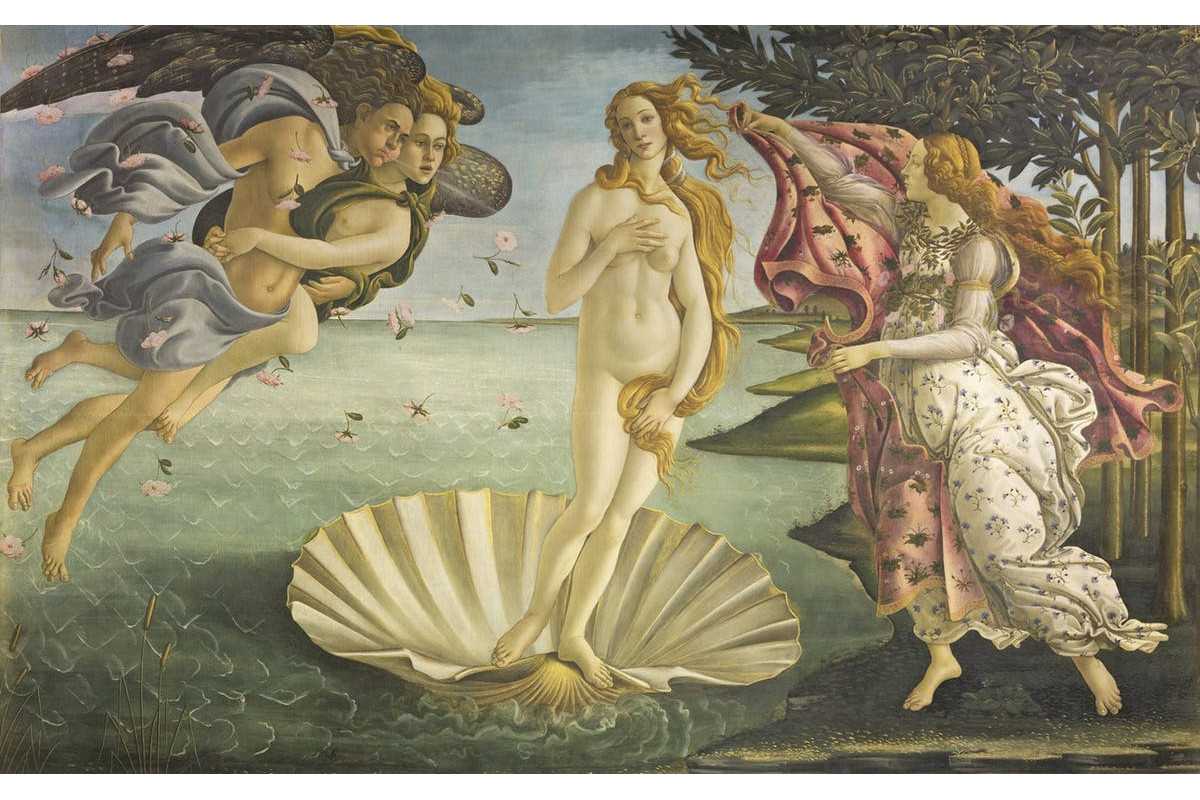
Botticelli, The Birth of Venus, ca. 1485
- Lucius's hyper-educated/intellectualized experience of the world: aestheticizing, mystical search for hidden meanings, e.g. exegesis on women's hair (2.8-9)
The Golden Ass 2.15-17 (first banquet with Photis, "Light")
It was all
like a picnic lunch before Venus' gladiatorial games . . . When I felt belligerent Cupid's arrow gliding in my heart, I stoutly drew my own bow, and I'm truly afraid my equipment's stretched so tight it'll snap in two . . . She was transformed into the ravishing image of Venus from the maritime waves, and for a few seconds she even put a pink palm in front of her hairless little lady parts.
The Golden Ass 2.12 (Lucius on the lamp Pamphile uses to predict weather)
Even though this very limited little flame's been formed by human hands, it carries
a memory of that huge, celestial fire, its quasi-parent, and can supernaturally prognosticate and inform us what the other's about to do clear up at the sky's summit.
- setting in Thessaly (cf. Lucan & suspension of nature's laws)
The Golden Ass 2.1 (Lucius in magical Thessaly)
There wasn't a thing I saw in that town whose identity I trusted: it must all be transmogrified, no exceptions, through some spectral hocus-pocus. I thought the stones I tripped over were petrified persons; that the birds I heard came from the same stock but now had wings; no less the trees skirting the city walls, before they found themselves covered in foliage; and that the streaming fountains were human bodies liquefied. The statues and murals were going to stride toward me, the walls speak, the oxen and suchlike pronounce oracles, and divine utterance come straight from heaven and that rounded radiance that crosses it.

Pittoni the Younger, Diana & Actaeon, 1721
The Golden Ass 2.4 (viewing statues in Byrrhena's atrium in Hypata)
In the middle of the marble foliage was Actaeon, craning forward and gawking at the deity. He was visible both in stone and on the spring's surface while, waiting for Diana to begin her bath in those very waters, he started to become less a human and more a stag.
- Byrrhena’s ironic words, “Consider everything you see your own”, 2.5; her warning about Pamphile (Milo's wife)?; Lucius's reaction, "Well, I was a curious person. The moment I heard the word witchcraft, representing lifelong aspiration, I shrugged off any need to play it safe with Pamphile; far from that, I was ready to sign up as her apprentice and pay through the nose for it, to go right ahead and take that flying leap into the abyss" (2.6)
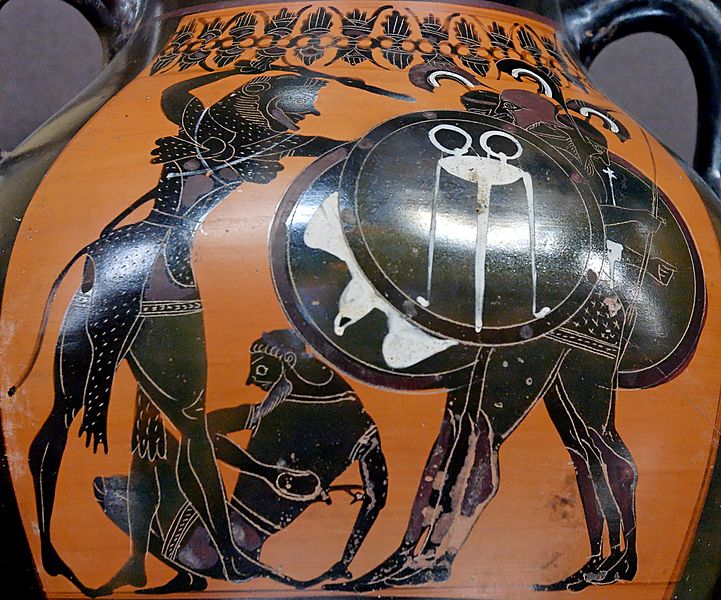
Herakles battles Geryon, Attic black-figure vase, ca. 540 BCE
- Byrrhena’s dinner party followed by killing of robbers at Milo's house ("tantamount to the massacre of Geryon", 2.32) on night before the Festival of Laughter
- Festival of Laughter (Risus); provincial Roman trial in theater-spectacle in Hypata ("the crowd demanded that a trial so abundantly attended be transferred to the theater", 3.2)
- Lucius’s hyperbolic & theatrical defense (3.4-7), e.g. "Their battle line was arrayed against me. The leader and standard bearer launched a powerful attack, seizing my hair in both hands, wrenching my head back, and eagerly seeking to strike me dead with a rock", 3.6; threat of torture & crucifixion > unveiling of goatskin bag "corpses"
- Lucius politely declines offer of statue, god's favor; insight from public humiliation?
The Golden Ass 3.15 (Photis further inflames Lucius's interest in Pamphile's magic)
You are about to learn about our household and the wondrous mysteries of my mistress. With these arts, she causes dead souls to mind her, scrambles the stars, marshals divinities, enslaves nature. And she never places greater reliance on this compelling skill when she has cast a glad eye on some cute youth.
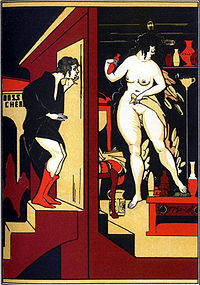
- idea of Lucius as a slave:
The Golden Ass 3.19 (Lucius's continuing infatuation with Photis)
I've always rejected even ladies' embraces, but those glittering eyes of yours, and your blushing cheeks, flashing hair,
open-mouthed kisses and sweet-smelling bosom have reduced me to a slave you've won at auction—but I'm happy for you to own me.

The Golden Ass 3.22 (Lucius's overwhelming desire to follow Pamphile as an owl)
Let me have just a dab of that ointment. I'm asking it in the name of your own precious breasts, my little honey pot. Bind me to you, use this favor to make me your slave forever, as I'll have a debt I can never repay.
The Golden Ass 3.29 (transformed Lucius is stolen by the robbers; lost Roman citizenship & humanity as beast of burden)
I could have recourse to my civil rights, invoking the revered name of the emperor to free myself from this anguish . . . I tried to call, in my native Greek tongue, on the august name of Roman Caesar. Well, the "O" I shouted was powerful and eloquent, but Caesar's name—that I couldn't pronounce. The bandits, in their contempt for my raucous blaring, bashed my miserable hide from all sides and left it unsuitable even for making sieves.

Man Feeding Donkey, mosaic floor, Istanbul, ca. 500 CE
- Pamphile on the roof, botched magic & metamorphosis
The Golden Ass 3.24-26 (Lucius's earthbound metamorphosis)
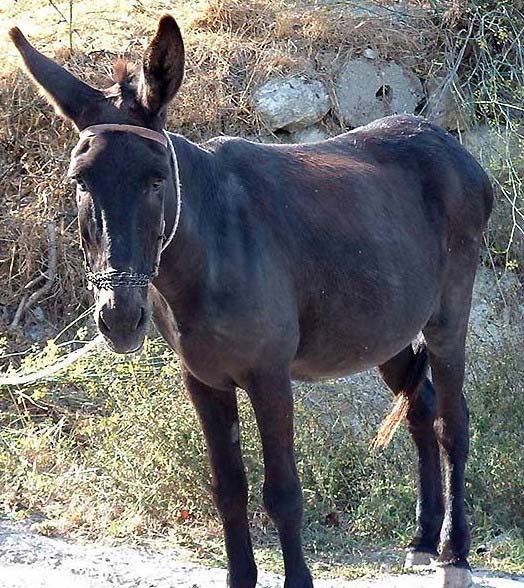
Then I extended my arms, executed some practice flaps, and did my best to make like a bird. But fluff there was none, and feathers nowhere. Instead, my hair thickened into bristles, and my tender skin hardened into hide. On the edges of my palms, I saw the countable digits disappearing and melding into solid hooves. At the end of my spine, a big tail came forth. My face was already huge, with an elongated mouth, gaping nostrils, and dangling lips. Likewise, my ears covered themselves with spiky hair and reached a size beyond all reason. I could feel no comfort in my wretched metamorphosis, except that my endowment grew as well—beyond what would allow me to embrace Photis. Helplessly surveying my new body, I saw I was not a bird but a donkey. I wanted to complain to Photis, but human voice and gesture had been taken from me . . . though I was an ass from head to hoof, a beast of burden instead of a the man called Lucius, I still had my human awareness.
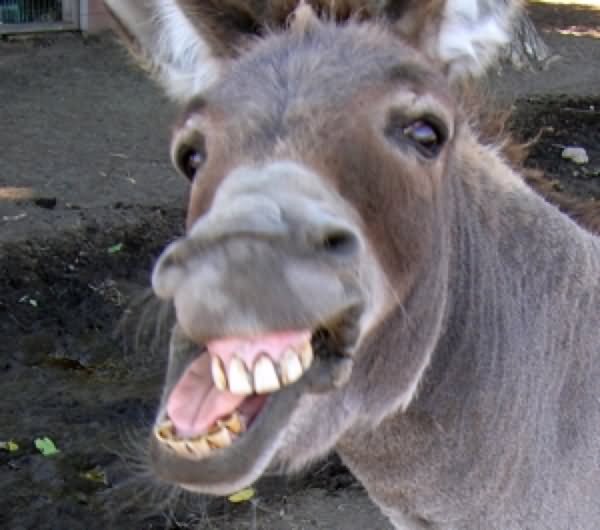

- psychologically appropriate metamorphosis into an ass?
- Lucius/Ass-man suffers inhumanity of his fellow beasts, 3.26; the blurred line between human & beast; the search for roses