CLAS 355
Phaedrus, Fables
April 27, 2023
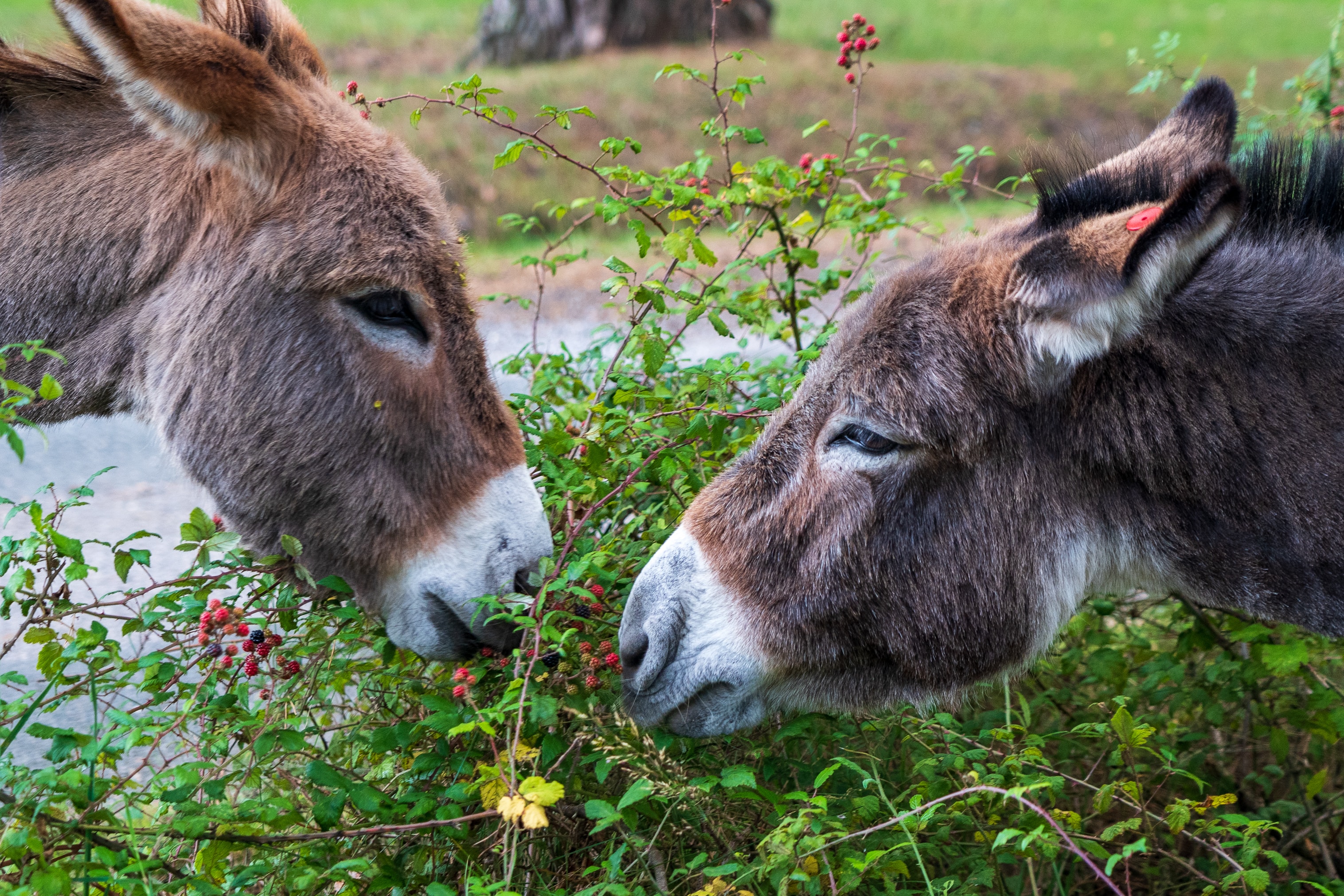
BBC article on the domestication of donkeys (2023), "How Donkeys Changed the Course of Human History"
Journalist Gustavo Arellano on "Tijuana donkey show"
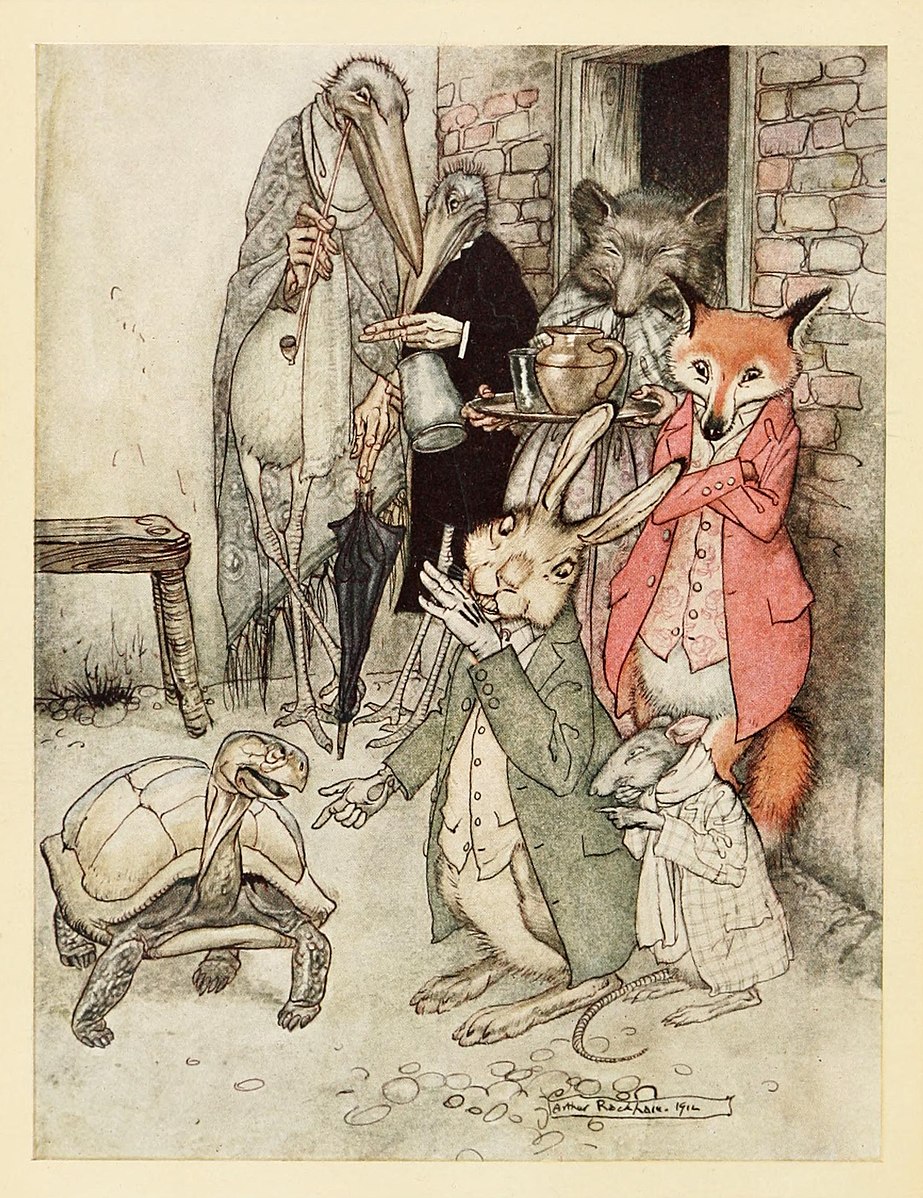
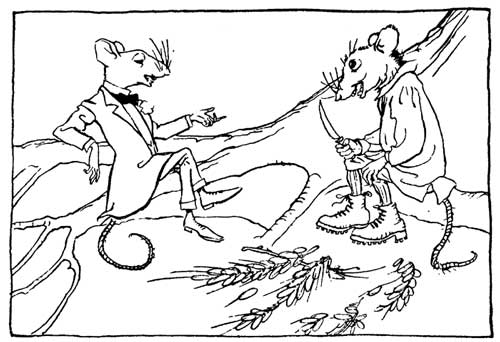
Arthur Rackham's illustrations, The Tortoise & the Hare and Town & Country Mouse, 1892
Phaedrus (ca. 15 BCE-50 CE): Augusti libertus (mss), "Born on the slopes of Pieria" (Fables 3, Prologue), Thrace (Greece); freedman in imperial court, access to imperial power (Augustus, 31 BCE-14 CE; Tiberius, 14-37 CE)
- Greek "Aesop" = Aesopica: prose folktales (oral tradition) with social, political, ethical themes > truths through fictions, told by slave-persona (Aesop's Athenian statue, "glory is granted to greatness, not to birth", Fables 2.9)
- anthropomorphized animal fables (voice to the voiceless) > safe, encoded space to comment on human society (audience fills in blanks), problematize "natural" social hierarchy?
- Phaedrus's poetic program: Romanized animal fables after "Aesop"
Fables 1, Prologue (entertainment & instruction)
Aesop is the author, the original inventor
Of the fables that follow, which I have refined
In the form of verse. This modest volume
Has a twofold attraction: it entertains
And gives careful counsel for the conduct of life.
If anyone chooses to carp and complain
That trees are speaking, not to mention beasts,
My answer is that I aim to amuse,
What follow are fables fabricated in fun.
Fables 2, Prologue (Phaedrus's role in tradition)
The art of Aesop is essentially moral.
The primary point and purpose of his fables
Is to make manifest and amend the mistakes of mortals
And so to sharpen their self-awareness.
When I elaborate the incidents of a story,
If it catches the ear and adds color to the content,
My efforts should be appreciated on their own merits
And not go unnoticed under the name of Aesop.
- freedman forging a literary identity ("creative freedom") in Roman literature; fame, name, memory; social integration & mobility?
Fables 2.9 (poet's target audience)
And if my efforts find favor with Rome,
She'll have one more weapon to wield in the challenge
Against Greece; and if green-eyed
Jealousy pleases to disparage my pains,
She will not steal from me my self-esteem
If my writings are read by people of refinement
Who find that my fables are fashioned skillfully,
My happiness will compensate for all cause for complaint.
.jpg)
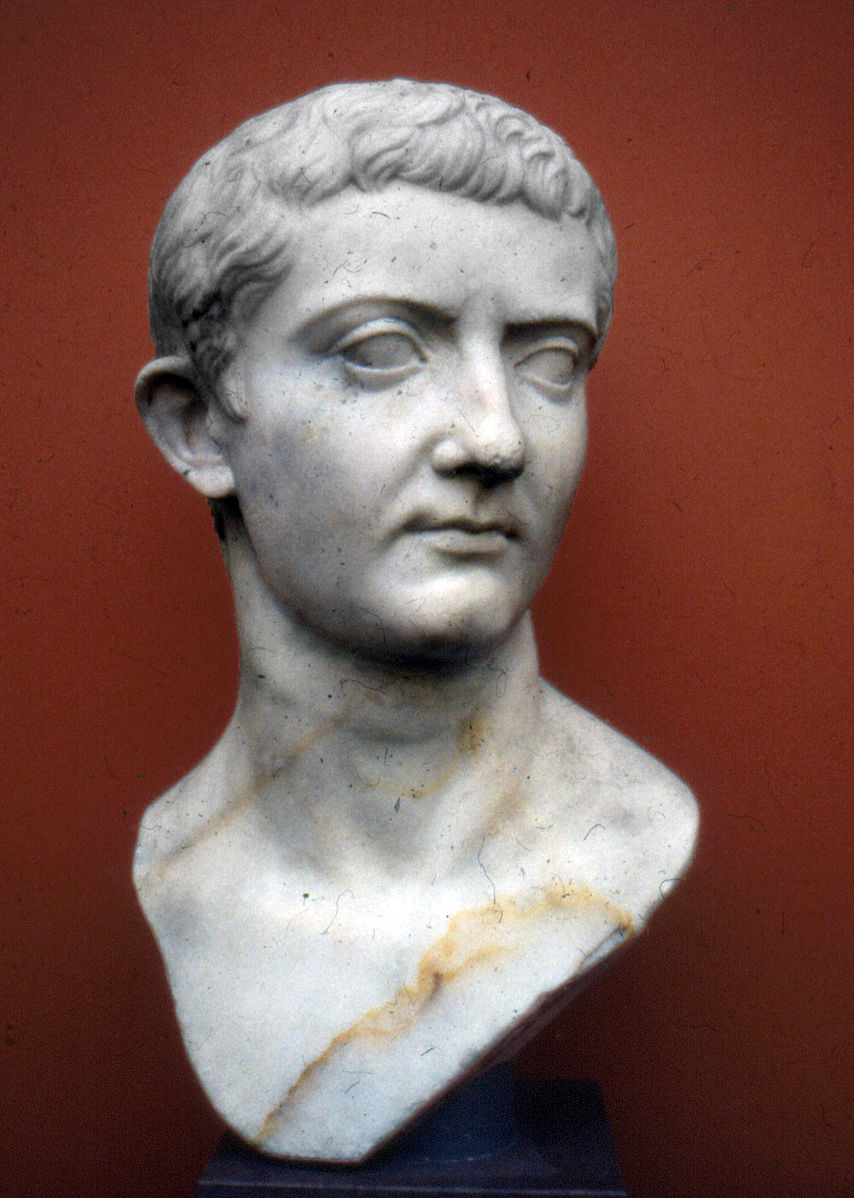
L: bust of Tiberius; R: remains of Villa Jovis at Capri (completed, 27 CE)
- sociopolitical world of Fables = reign of Tiberius: detached, suspicious & reclusive emperor; henchman Sejanus, Praetorian Prefect (15 CE), personal & political purges (trials) in Tiberius's absence (Capri), executed in 31 CE
Fables 2.6, "The Eagle and the Crow" (vulnerability of the tortoise)
No one is properly protected against the powerful,
And if they are aided by evil advisers,
The effect of force and ferocity combined
Is to overcome all opposition whatever.
. . . Thus, the creature that nature had carefully created
Impregnable and invincible in its outward aspect,
Outnumbered now and outmaneuvered,
Died a cruel and dreadful death.
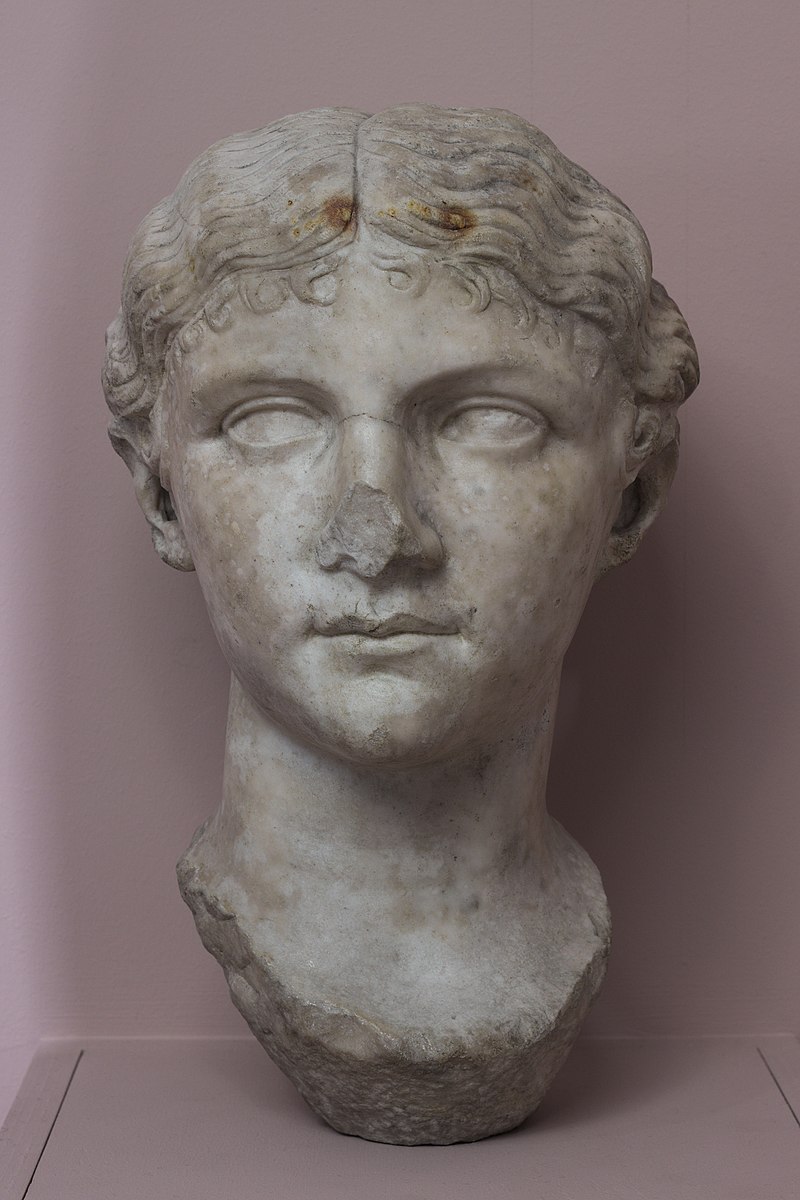
Livilla (Tiberius's daughter-in-law)
- early imperial Rome & dangers of free speech: hypersensitive rulers, sycophants & informers; pro-Republican Cremutius Cordus (died 25 CE), Tacitus, Annals 4.34-5 ("Brutus and Cassius were the last of the Romans"); treason charges, book-burning, forced suicide

Manumission ceremony relief, 1st century BCE
- Fables 2.5, "Tiberius’ Words to an Attendant": non-fable anecdote about Tiberius (villa at Misenum) & unsuccessful sycophant, "What you have done is nothing, and nothing will come of it, / It costs more than that to get a slap from me" (alapa, "slap": cf. manumission); emperor a clever fabulist who sees the truth?
- status of Roman freedpersons: space between free & enslaved (social rebirth with stigmatization, responsibilities to patron/former owner); Phaedrus forging identity as fabulist without endangering himself (prosecuted by Sejanus, Fables 3, Prologue); fear of envy (cf. Augustan poet Horace, "the son of a freedman") in society where power rationed & monopolized
- cautionary fables: awareness of status/position, limitations of speech/voice, contingency of power, e.g. 1.11, "The Lion and the Ass Go Hunting" ("unless I had known your negligible nature / And what a great ass you actually are, / I too would have taken to my heals in terror"), 1.24, "The Frog who Burst Himself and the Bull"
GROUPS
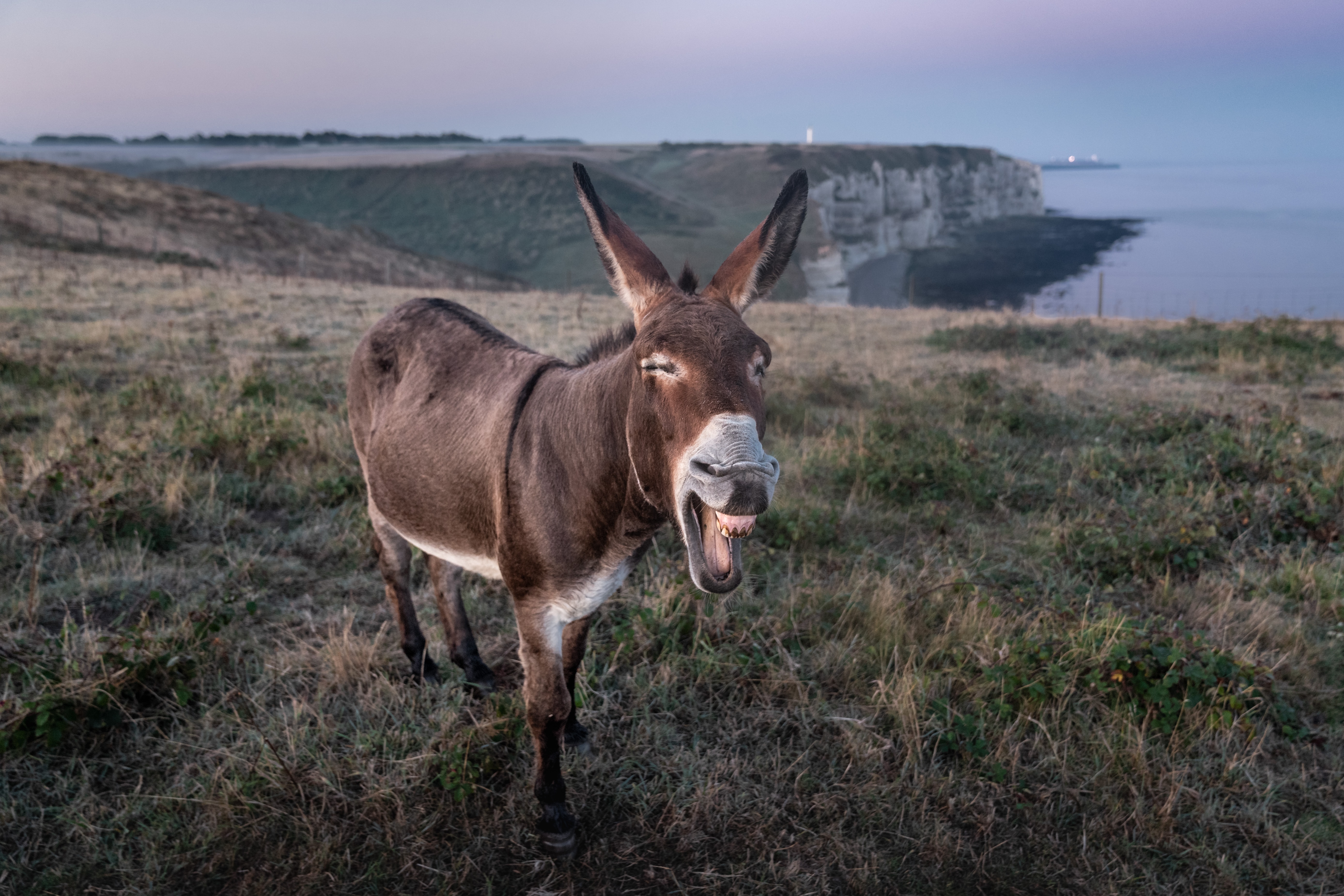
- the broader populace in Phaedrus's world: 1.15, "What the Ass Said to the Old Shepherd", incursion of soldiers
Fables 1.15 (the wise ass's resignation)
Revolutions, reversals of regimes and rulers,
For the moneyless masses mean a change of masters,
No more. I’ll tell you a tale in illustration.
'. . . Suppose that these soldiers
Take me as loot: are they likely to load me
With my present packsaddle plus another?'
'Can't be done,' said the dotard. 'What difference, then,
Does it make to me what man is my master,
If I'm still only burdoned with a single saddle?'
Fables 1.30, "The Frogs Afraid of the Battle of the Bulls" (the sage frog)
'But when two contend for control of the meadows,
The beaten bull will betake himself here,
Heading for our haven as a hiding place,
And batter us to bits with his hard hooves.
So we are affected by their furious feuding.'
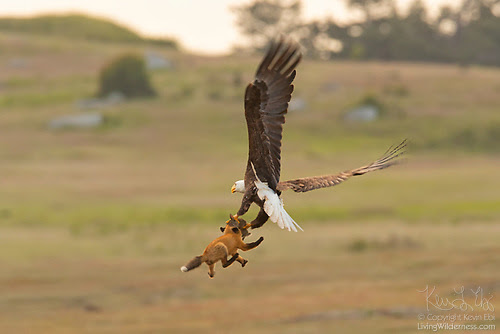
- possibility of rebellion, 1.28, "The Fox and the Eagle"? ("It is good policy for the great and grand / To treat their lessers with respect. Revenge / Is available to all, regardless of rank, / And you never know who may prove to be clever.")