CLAS 4/532
March 16, 2023
Catullus; Roman Translation Project (cont.)
1. Siobhán McElduff, Roman Theories of Translation: Surpassing the Source (London 2013)
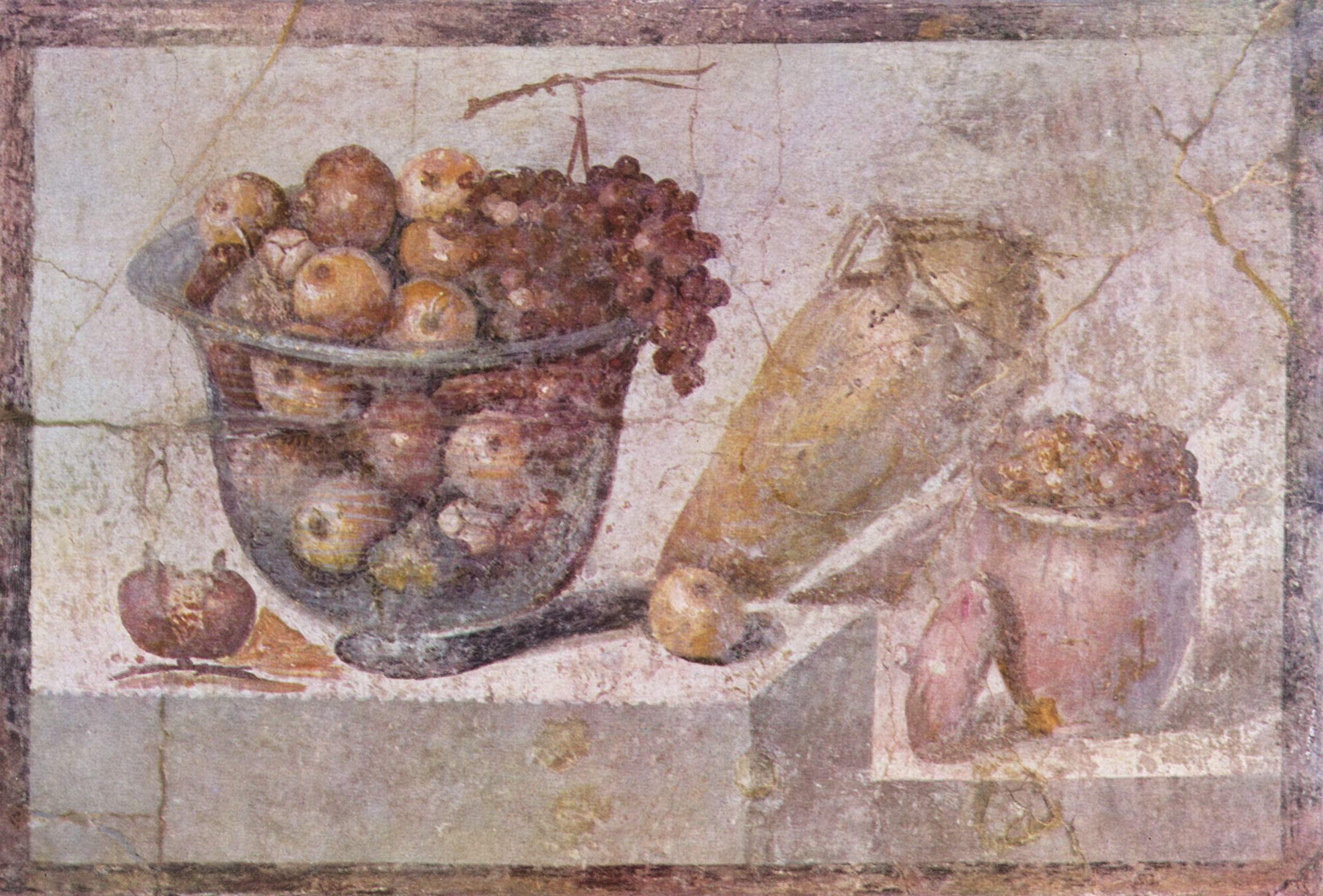
- Catullus engaged in homosocial gift-exchange as (1) Roman Sappho: 50/51 (for Calvus, his fellow otiosus: 50.16 hoc, iucunde, tibi poema feci = eroticized, bilingual figura etymologica), poem 51 as neoteric dialogue about otium & metadrama of translation; (2) Roman Callimachus, 65/66 (for Hortalus: 65.15-16 mitto / haec expressa tibi carmina Battiadae; exprimo, of modelling & reproducing, OLD 6), Callimachus’ Plokamos, Aitia Fr. 110 (Catullus 66 & the furtive apple simile of 65?; personal & metapoetic resonances of lock/sibling loss, 65.12-13 semper amabo / semper maesta tua carmina morte canam?); 116 an insulting non-gift for the ‘banished’ Gellius, a translational recusatio (116.1-2 saepe . . . requirens / carmina . . . mittere Battiadae)
- Horace as Greco-Roman poet-translator, (esp.) bilingual Roman Alcaeus: bold claim of Ode 1.35-6 quodsi me lyricis uatibus inseres, / sublimi feriam sidera uertice (to Maecenas, arbiter of canonicity), Ode 3.30.13-14 princeps Aeolium carmen ad Italos /deduxisse modos; Horace claiming shelf-space (cf. OLD insero2 3) in bilingual library of lyric poetry
- Lucretius, De Rerum Natura (on the poverty of Latin: 1.136ff. Graiorum obscura reperta / difficile inlustrare Latinis uersibus esse . . . propter egestatem linguae et rerum nouitatem); following footsteps of pater(familias) Epicurus; “. . . [L.] aimed to make the original’s ideas palatable. As such, his ‘translation’ required a massive amount of intervention, intervention he was willing and eager to provide” (p. 152), i.e. highly domesticated repackaging of Greek (prose) philosophy for bilingual Roman audience (CLAS 4/532, 4-13)
- Germanicus’ (Augustan) Aratea (Aratus, Phaenomena), 15-19 CE
2. Appiah, “Thick Translation” (cf. “the cultural turn”): translating Akan (Ghana) proverbs (e.g. “A matter which troubles the Akan people, the people of Gonja take to play the brékété drum”) after Grice & implicature (cf. Munday, chapter 6: utterance as action, inferences beyond literal & direct meaning, esp. intentions & communal assumptions of speech, beliefs, etc.) – literary translation & capturing (literature’s) linguistic & literary conventions (+ formal differences) across cultures?
- untranslatability + indeterminacy of meanings/readings (“A translation aims to produce a new text that matters to a community the way another text matters to another: but . . . there can always be new readings, new things that matter about a text, new reasons for caring about new properties”, p. 347)
- thick (teaching-based) translation respectful of cultural difference: “a translation that aims to be of use in literary teaching . . . such ‘academic’ translation, translation that seeks with its annotations and its accompanying glosses to locate the text in a rich cultural and linguistic context, is eminently worth doing. I have called this ‘thick translation’” (p. 349), + call for non-ethnocentric study via translation
3. Harvey, “Translating Camp Talk”: examines French<>English translations of camp language (radically queer & transgressive camp = empowering, creative, parodic, theatricalized & ironic language of American gay male subculture as critical resistance to heterosexual orthodoxy; subversively exposes constructive and performative elements of identities in forging cultural agency)
- separate gay identity generally denied in French culture: assertion of universality in revolutionary spirit of French egalitarianism (liberté, égalité, fraternité)
- call for imbrication of texts and contexts in TS: “Translation is not just about texts; nor is it only about cultures and power. It is about the relation of the one to the other . . . What is required, then, in translation studies is a methodology that neither prioritizes broad concerns with power, ideology and patronage to the detriment of the need to examine representative examples of text, nor contents itself with detailed text-linguistic analysis while making do with sketchy and generalized notions of content.” (p. 363)
CLAS 4/532 3-16.pdf