CLAS 4/532
March 2, 2023
Greek Lyric Poetry (Sappho)

1. Venuti, “Translation, Interpretation, Canon Formation” (in Lianeri & Zajko, eds. Translation and the Classics: Identity as Change in the History of Culture (Oxford, 2008))
- classic: a construct of the academy, publishers, literary culture, not a stable essence; translation instrumental
Aulus Gellius, Noctes Atticae 19.8.5 (authority for proper usage): . . . vel oratorum aliquis vel poetarum, id est classicus adsiduusque aliquis scriptor, non proletarius
- “classics” subject to interpretations of readers & institutions within cultures; status & meaning of classics not fixed by unchanging intrinsic values/qualities, but constructed in interpretation (= evaluative cultural-historical contexts > axiological element)
- translations often reflect dominant interpretations in culture & play role in canonizing foreign texts; introduce TL elements to classics, recontextualize ST, produce new interpretations (i.e. both inscribe new evaluations and interrogate old ones through recontextualization; translation as a classic’s lifeblood); “reception” vs. “tradition”?
In contributing to the canonicity of a foreign text, the translation leaves neither that text nor the receiving situation unaltered. The foreign text undergoes a radical transformation in which it comes to support a range of meanings and values that may have little or nothing to do with those it supported in the foreign culture. And the linguistic choices, literary traditions and effects, and cultural values that comprise the translator’s interpretation may reinforce or revise the understanding and evaluation of the foreign text that currently prevail in the receiving situation . . . (p. 30)

Charles Baudelaire, 1821-1867
- translation as second order metalanguage (pp. 30-5) & the impossibility of equivalence: ST a first order sign system (= chain of signifiers > signified), TT a second order sign system signifying the ST (the signified) > new chain of signifiers with different intertextual and intersemiotic relations, lexical, auditory, grammatical and graphemic differences, different representational relationships with reality/real objects (= new signs) in a new linguistic, literary and cultural context > ergo, losses and gains of meaning (not equivalence)
- translation necessarily employs interpretants: formal, thematic, semantic interpretants of TL, theoretical and critical discourses (e.g. historicizing, philosophical, cultural, linguistic) grounded in current target culture interpretation (to create quasi-equivalence via losses and gains)
It is in applying interpretants that the translator inscribes an interpretation in so far as the interpretants become the criteria by which the translator chooses linguistic form, literary traditions and effects, and cultural values to render the foreign text. (p. 34)
- translation yields sustained interpretation (“linear and coextensive”), not selective interpretation as criticism or commentary
- further axiological aspect of translation: “a chain of signifiers accumulates meaning and value through its circulation [in target culture]” to produce an additional signified/connotation (e.g., designation “literature” itself, other cultural, social, economic values attached to translation)
. . . the third or axiological order consists of the value that accrues to the inscription [of meaning by a translation], both because the interpretation is likely to include meanings that have already been judged valuable by the potential receptors and because the translation is continually interpreted and evaluated as it circulates. It is the axiological dimension that reveals how translation performs various cultural and social functions, including the establishment and reinforcement of the classic status of foreign texts. The value-laden inscription enables a translation to contribute to the process of canon formation housed in academic and other cultural institutions, to maintain the distinction between elite and popular literatures as it is currently drawn, to serve as a metonymic representation of national literatures and cultures, to work as an ideological practice in cultural political agendas, and to create a market for translated literatures. (p. 38)
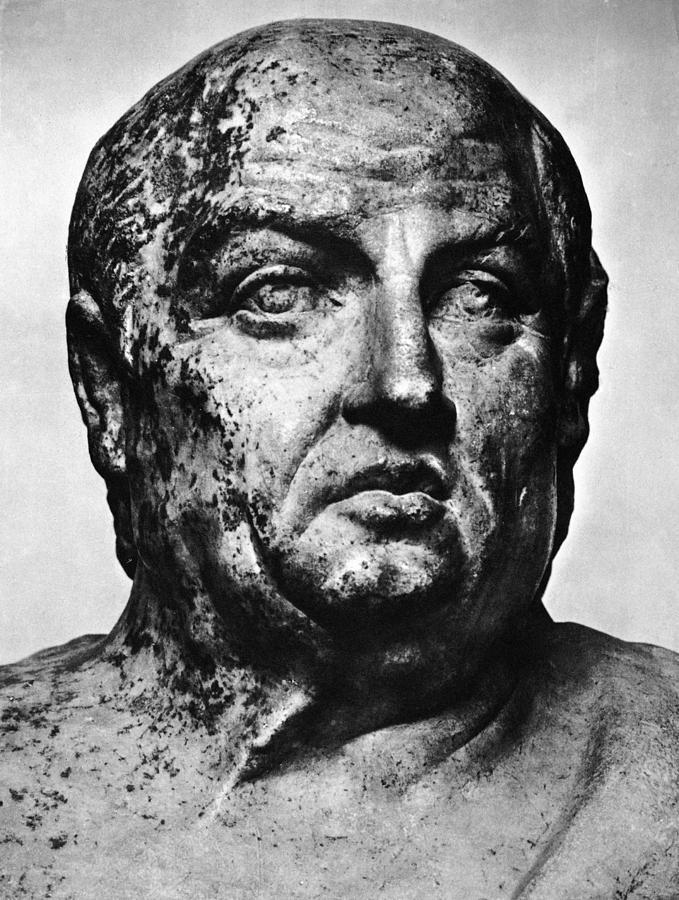
2. Feeney, “A Literature in the Latin Language”
- what is (Latin) literature? (what gets translated from Hellenistic system? system of literary genres? non-utilitarian texts? what gets taught (Roland Barthes)?)
- development of a Roman literary system = translation, a (meta)literary project (Livius Andronicus, Plautus, Ennius, et al.)
- the supporting social-institutional construct in Rome (2nd century CE +): Accius (Didascalica, 170-86 BCE); L. Aelius Stilo (born ca. 150 BCE; authenticity of texts, etc.); Volcacius Sedigitus’ canon (De Poetis, ca. 100 BCE) of comic playwrights (Caecilius, Plautus, Naevius, Licinius, Atilius, Terence, Turpilius, Trabea, Luscius, Ennius)
- emergence of (biliterary) allusion & intertextuality (rewriting, reperformance, repurposing, recontextualization, etc., of texts) in Latin literature
3. Young, “Surpassing the Gods: Infatuation and Agonism in Catullus's Sappho (51)”
- theme of desire/envy (imitatio/aemulatio); Catullan persona’s relationship with “Lesbia” in translational metapoetics (separation of the belated translator from his ST, secondariness & anxiety of influence, appropriation/ownership of (canonized) Sappho in poet’s own socio-cultural, i.e. “neoteric”, discourse); “Sappho’s poem has been transformed into a drama of translation” (p. 171)