CLAS 532
March 24, 2025
Catullus
Exercise #2 due March 31
1. Siobhán McElduff, Roman Theories of Translation: Surpassing the Source (London 2013)
- Catullus engaged in elite, homosocial gift-exchange (sodales) as
(1) Roman Sappho: 50/51, for Calvus, his fellow otiosus – 50.16 hoc, iucunde, tibi poema feci a bilingual figura etymologica in eroticized gift-exchange context; poem 51 as neoteric dialogue about otium & metadrama of translation (speaker's gazing at Lesbia = Sappho's overpowering ST, translator's loss of self & recovery in dialectic on otium in final stanza)
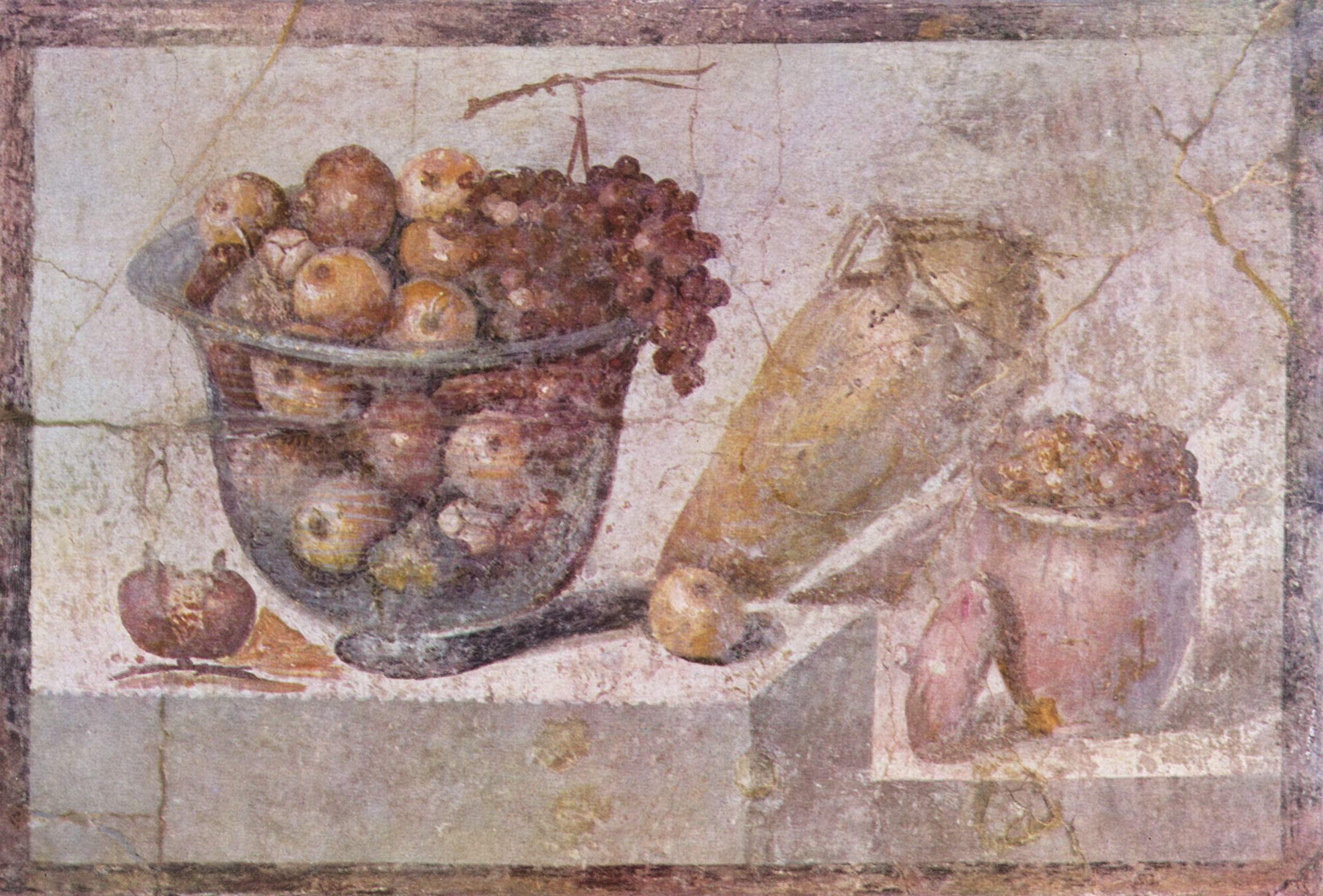
(2) Roman Callimachus: 65/66, for orator Hortalus, translation preface (65) – promised work & brother's death (65.1-2 cura . . . seuocat a doctis, Hortale, uirginibus), 65.15-16 mitto / haec expressa tibi carmina Battiadae (exprimo, of modelling & reproducing, OLD 6); recontextualized & repurposed close translation of Callimachus’ clever court poem Plokamos, Aitia Fr. 110; personal & metapoetic resonances of lock's separation & sibling loss (cf. comae . . . sorores, 66.51) & immortality (65.13 semper maesta tua carmina morte canam); Catullus 66 & the furtive apple simile of 65?
(3) Catullus 116 an insulting non-gift for Gellius (stop invectives), a translational recusatio (116.1-2 saepe . . . requirens / carmina . . . mittere Battiadae) as last poem in corpus
2. Harvey, “Translating Camp Talk”: examines French<>English translations of camp language (radically queer & transgressive camp as empowering, creative, parodic, theatricalized & ironic language of American gay male subculture as critique of/resistance to heterosexual orthodoxy; subversively exposes constructive and performative elements of gender & sexual identities in forging cultural agency and communal identity)
- separate gay identity generally denied in French culture, assertion of universality in revolutionary spirit of French egalitarianism (liberté, égalité, fraternité) & national identity, camp minimized in translations to French, enhanced in English
- call for imbrication of texts & contexts in Translation Studies:
Translation is not just about texts; nor is it only about cultures and power. It is about the relation of the one to the other . . . What is required, then, in translation studies is a methodology that neither prioritizes broad concerns with power, ideology and patronage to the detriment of the need to examine representative examples of text, nor contents itself with detailed text-linguistic analysis while making do with sketchy and generalized notions of content. (p. 371)