Classics 351
November 20, 2012
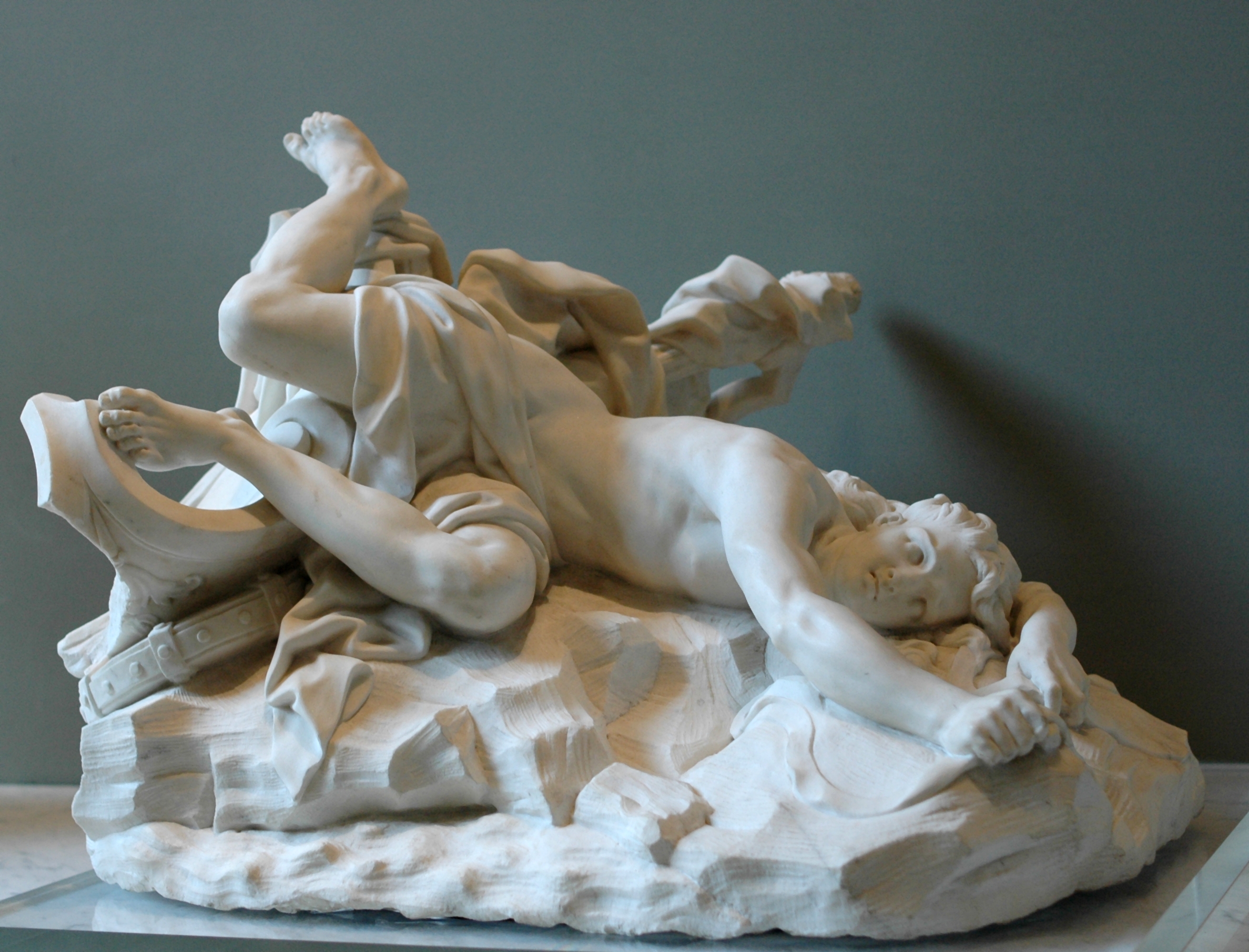
GROUP PROJECTS (scene assignments)
Description of Scenes
Seneca’s Phaedra
- mythical background: Phaedra (daughter of King Minos of Crete and Pasiphaë of Minotaur infamy, granddaughter of Helios, sister of Ariadne); Hippolytus (son of Theseus and the Amazon Queen Antiope); Theseus,son of Poseidon/Neptune and the hero of Athens (cf. Herakles), is in the underworld assisting his friend Pirithous as the play starts
- Phaedra's characterization of Theseus’ quest
Phaedra 91ff.:
See, my husband has run away. He is gone.
Theseus shows his bride his usual faithlessness. [Ariadne?]
What a hero! Off he goes, through the misty lake from which
there is no return. He goes as the soldier of a shameless suitor
to steal from his throne the stolen wife of the king of Hell.
He goes as the friend of mad desire. He was not restrained, not he,
by fear or shame. His quest is for rape, and forbidden sex …
... what I like is to rouse wild beasts, and chase them, and hunt them down,
and to hurl
stiff javelins from my soft white hand.
Where are you going, my soul? Mad thing, why yearn for the forest?
- identification with mother Pasiphaë: “I recognize the fateful trouble of my poor mother” (113)
- initial resolution to die (250ff.) gives way to acceptance of Nurse’s plan to attempt to seduce Hippolytus; character/function of Nurse?
Phaedra 179-80
... My minds knows, but it wanders,
yearning for wise advice, and tries in vain to return.
- Phaedra's final resolve to die
Phaedra 1177ff.
I will avenge your death, I will stab my wicked heart,
I will set Phaedra free of life and guilt together.
And I will follow you blindly through the waves
through the lakes of Tartarus, the Styx, and the fiery river.
I want to do right by the dead …
… You and I were not allowed to link our lives together;
but we can join our deaths. Phaedra, if you are chaste,
die for your husband. If unchaste, for your love.
- chorus: composition, role, attitude toward Phaedra (cf. "power of love" song at 274ff.) & Hippolytus (cf. 736ff.)?
- Hippolytus: virtuous devotee of Diana (Artemis) and the pristine wild, misogynistic (“But woman is the root of all evil …”, 559ff.); a Stoic (?)
Phaedra 486-92, 515-21:
Anger, lust, and greed do not set fire to the heart
of the innocent man whose home is on the mountain tops.
The winds of the faithless mob leave him unswayed,
Unmoved by their perverted hate and brittle love.
He is no slave to established power, wants none for himself.
He does not pursue the futile goals of fame or fleeting wealth.
He is free from hope and free from fear …
… All he needs to eat is fruit shaken from the trees,
while berries picked from the shrubs can easily supply
his simple meals. His whole desire is to be far away
from regal pomp. Drinking from golden cups, the proud
consume anxiety; what joy to taste fresh water
from naked hands! A deeper, surer sleep
holds the man who stretches out on a hard mattress—in safety.
- Hippolytus' reaction to Phaedra’s advance: “This stepmother is a worse evil, by far, than the Colchian” (697)
- Nurse (a chameleon): initially urges resistance (129ff.); rejects traditional mythic idea of Love (195ff.) as a cloak for "base lust"; articulates plan to approach Hippolytus (271ff.); charge of rape (719ff.)
- Theseus: tired old hero (835ff.); rash acceptance of Hippolytus’ guilt ("Can he have come from Greece? Or a barbarian land/ Scythia or Colchis," 906-7); curses Hippolytus and regrets action (murderer of his father Aegeus and now his son); final image of son’s body parts to be collected, curses Phaedra
- the spectacular chariot wreck
Phaedra 1093-1104:
Hippolytus bloodies the countryside: his shattered skull
bounced down the rocks, and thorns tore off his hair;
his beautiful face was ruined by the hard, stone ground.
His unlucky loveliness was lost in all these wounds.
The chariot wheels rolled over his still-twitching limbs.
At last a charred branch from a tree-trunk pierced him
right in the middle of his groin, and held him fast.
The horses pause a little way from their gored master,
attached to his wounded body; then all at once they break,
making an end of their owner and delay. The thickets cut
the half-dead corpse, and thorns with their sharp brambles;
parts of the body were stuck to every tree.
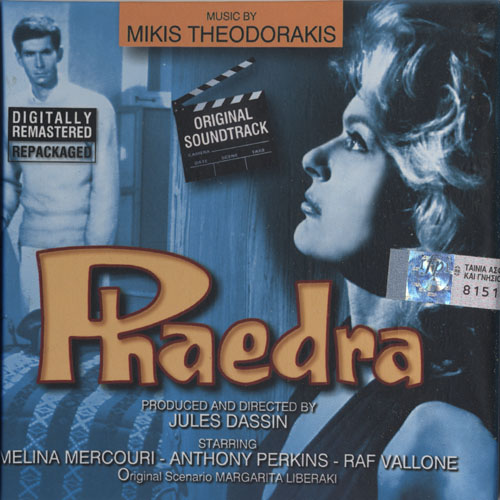
Phaedra (1962) starring Melina Mercouri and Anthony Perkins
A review of a performance of Sarah Kane’s Phaedra’s Love (1996)