CLAS 532
The Roman Translation Project (New Comedy)
April 7, 2025
Reports (see syllabus for some suggestions)
1. D. Feeney, Beyond Greek: The Beginnings of Latin Literature (2016)
- Latin literature (litterae) – what gets translated from Hellenistic system of genres; non-utilitarian texts; what's taught (Roland Barthes)?
- unusual nature of Roman literary translation practice – Greek monolingualism vs. Roman bilingualism & biliteracy
- Roman Translation Project: cf. Latin-only policy in Senate & international relations, translating official documents “down” into Greek (e.g. dative absolute) vs. committed “upward” translation (secondariness) of Greek literature into Latin; cultural capital & creation of national literature in wake of Rome's emergence as Mediterranean power; roles of individual writers vs. state promotion?
“the Roman translation project runs markedly against the findings of contemporary polysystem translation theory, according to which one should expect first translations in a weak literary system to be strongly foreignizing” (Feeney, p. 63)
first generation
Livius Andronīcus (bilingual education): dramatic performance at ludi Romani (240 BCE); Homer Ody. 1.1 ἄνδρα μοι ἔννεπε, μοῦσα, πολύτροπον > uirum mihi, Camena, insece uersutum (uertere, Saturnians); translation inaugurates Roman cultural & literary appropriation (self-referentiality, metaliterary emphasis, self-assertion)
second generation
Ennius (239-169 BCE), Annales (Latin hexameters); bold programmatic dream:
Annales Skutsch 5
uisus Homerus adesse poeta.
Annales Skutsch 11 (Homer speaks)
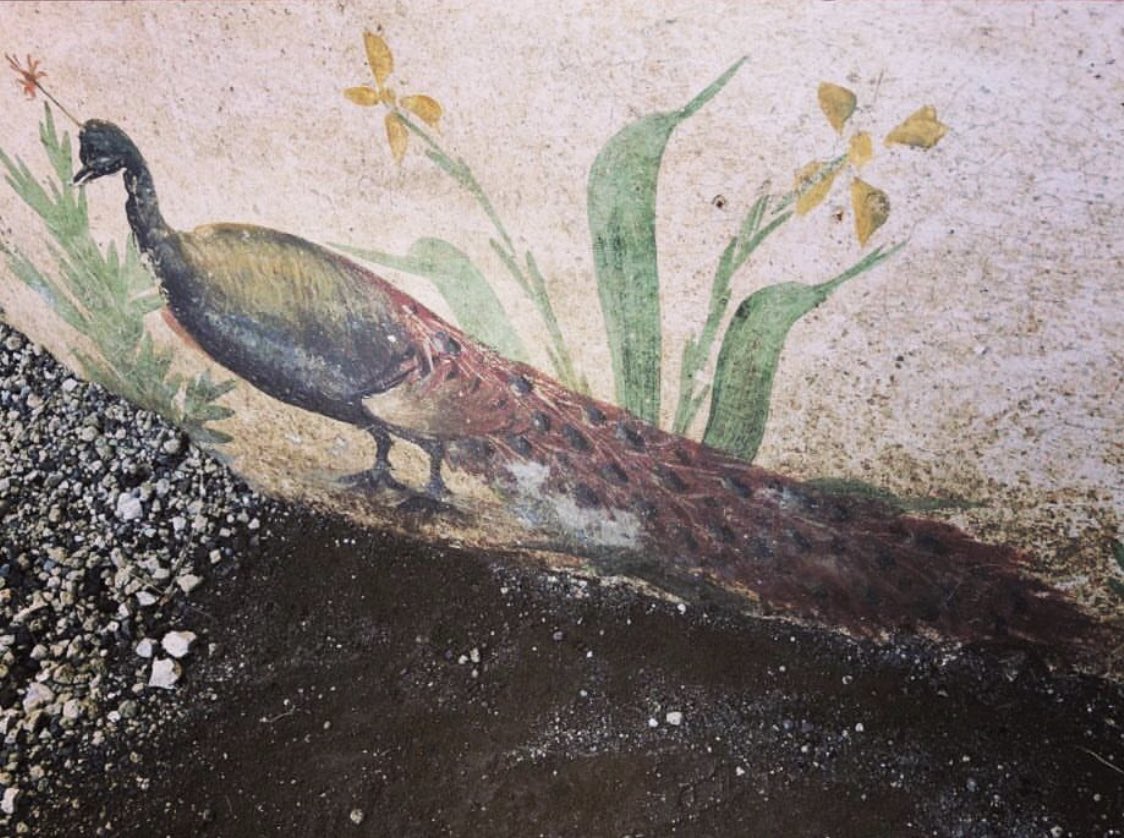
memini me fiere pauom.
Plautus (254-184 BCE, 20 comedies); ironic self-confidence in prologues:
Asinaria 11
Demophilus scripsit, Maccus uortit barbare.
Trinnumus 19
Philemo scripsit, Plautus uortit barbare.
Casina 32-4
. . .
Diphilus
hanc [sc. fabulam] graece scripsit, postid rursum denuo
latine Plautus cum latranti nomine.
supporting literary institutions in Rome (scholars, critics, editors, mid-2nd century CE): Accius (Didascalica, 170-86 BCE); Aelius Stilo (authenticity of texts, etc., born ca. 150 BCE); Volcacius Sedigitus’ canon (De Poetis, ca. 100 BCE) of comic playwrights (Caecilius, Plautus, Naevius, Licinius, Atilius, Terence, Turpilius, Trabea, Luscius, Ennius)
2. Dis Exapaton & Bacchides: 1968 discovery of Oxyrhynchus fragments of Menander (Handley); fr. 4 (indirect tradition) ὃν οἱ θεοὶ φιλοῦσιν, ἀποθνῄσκει νέος (Bac. 816-17 quem di dilgunt / adulescens moritur); papyrus – text-based comparative analysis (Plautus asserts dramatic, aesthetic, linguistic, musical priorities; cf. E. Fraenkel, Plautinisches im Plauto, 1922)
- aemulatio (“outdoing the source”) & metapoetics: from Menander’s Syros to amplified seruus callidus Chrysalus (cf. Pseudolus)
Bacchides 659-60
non mihi isti placent Parmenones, Syri,
qui duas aut tris minas auferunt eris.
bilingual punning chains re Chrysalus (“Goldie”, χρυσός): aurum/aureus + crux/cruc-
Bacchides 358-62 (Chrysalus considers consequences of deceiving his master)
sed quid futurum est, quom hoc senex resciuerit
quom se excucurrisse illuc frustra sciuerit
nosque aurum abusos? quid mihi fiet postea?
credo hercle adueniens nomen mutabit mihi
facietque extemplo Crucisalum me ex Chrysalo.
Chrysalus’ Trojan Song (925-77) – bold assertions of comic heroism, ego sum Vlixes (Plautus' comedy features 3rd deception)
Bacchides 1070-4 (Chrysalus’ irreverence toward Roman triumphs following successful scheme)
salute nostra atque urbe capta per dolum
domum redduco <iam> integrum omnem exercitum.
sed, spectatores, uos nunc me ne miremini
quod
non triumpho: peruolgatum est, nil moror;
uerum tamen accipientur mulso milites.
3. Terence's polemical prologues (160s BCE): third generation of translation project, dialogue with Luscius of Lanuvium/advocate of close translation of single Greek ST (charges of furtum, contaminatio) > emergence of (biliterary) allusion & intertextuality in Latin literature (rewriting, reperformance, repurposing, recontextualization, etc., of Greek & Latin texts), creatively embracing “secondariness”
4. Nietzsche (1844-1900), “Translations”: Roman hegemonic appropriation/domestication (cf. romantic Goethe's (1749-1832) foreignizing preference, after Schleiermacher, “A translation that attempts to identify itself with the original ultimately comes close to an interlinear version and greatly facilitates our understanding of the original”, p. 74)
“Roman antiquity itself . . . how forcibly and at the same time how naively it took hold of everything good and lofty of Greek antiquity, which was more ancient! How they translated things into the Roman present! How deliberately and recklessly they brushed the dust off the wings of the butterfly that is called moment! . . . What was it to them that the real creator had experienced this and that and written the signs of it into his poem? . . . as poets, they had no time for all those very personal things and names and whatever might be considered the costume and mask of a city, a coast, or a century: quickly, they replaced it with what was contemporary and Roman . . . They did not know the delights of the historical sense; what was past and alien was an embarrassment for them; and being Romans, they saw it as an incentive for a Roman conquest. Indeed, translation was a form of conquest. Not only did one omit what was historical; one also added allusions to the present and, above all, struck out the name of the poet and replaced it with one’s own—not with any sense of theft but with the very best conscience of the imperium Romanum.” (p. 75)